Introduction
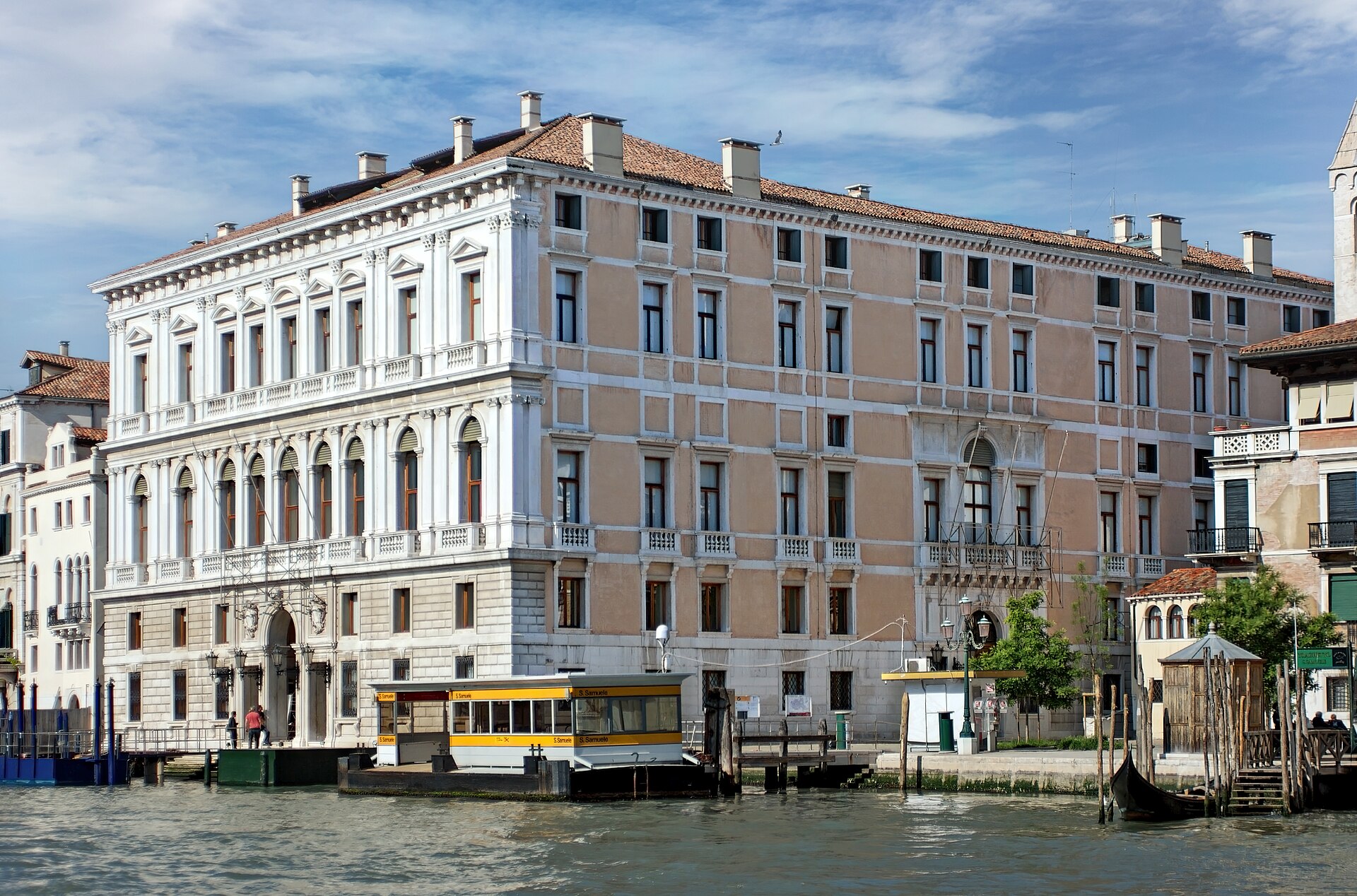
In the heart of Venice, overlooking the Grand Canal, stands Palazzo Grassi, a magnificent neoclassical palace that has been transformed into a premier venue for contemporary art. Since 2006, it has housed rotating exhibitions from the Pinault Collection, one of the world's most significant private collections of contemporary art, assembled by French businessman François Pinault. This guide offers an in-depth look at the cultural significance of this unique museum, practical advice for planning your visit, and tips to enhance your experience.
Historical and Cultural Context
Palazzo Grassi, built in the 18th century, is a masterpiece of Venetian architecture. Designed by Giorgio Massari, it was one of the last great palaces erected in Venice, and its white stone facade and elegant proportions make it a standout along the Grand Canal. Originally a noble residence, the palace was restored between 2005 and 2006 under the direction of architect Tadao Ando and opened in 2006 as the first venue of the Pinault Collection, marking a new chapter in its history.
The Pinault Collection itself is a testament to François Pinault's passion for contemporary art. Comprising approximately ten thousand works, it includes pieces by artists such as Jeff Koons. The collection is not static; it is a living entity that evolves through acquisitions and loans. Palazzo Grassi, along with the nearby Punta della Dogana and the Teatrino di Palazzo Grassi, forms the Pinault Collection's Venetian outpost, offering visitors a chance to engage with cutting-edge art in a historic setting.
The museum's significance extends beyond its architectural beauty and impressive collection. It plays a crucial role in Venice's cultural landscape, hosting major exhibitions that attract art lovers from around the globe. By juxtaposing contemporary art with the city's rich historical heritage, Palazzo Grassi creates a unique dialogue between past and present, making it a must-visit destination for culturally curious travellers.
Planning Your Visit
When planning your visit to Palazzo Grassi, it is essential to check the official website for current opening hours, admission prices, and exhibition schedules. Opening days and hours depend on the exhibition calendar, and admission prices and any reductions are set by the museum; see the official website for current conditions.
To make the most of your visit, consider allocating at least two to three hours to explore the exhibitions. The museum's layout is spacious, and the artworks are thoughtfully displayed across multiple floors. It is also worth noting that the museum is fully accessible to visitors with mobility challenges, with elevators and ramps in place.
As with any cultural institution, it is wise to verify current details before your visit. The official website is the most reliable source for up-to-date information on opening times, ticket prices, and any temporary closures or special arrangements.
Getting There
Palazzo Grassi is located on the Grand Canal, in the sestiere of San Marco. The most convenient way to reach it is by water, as Venice is a city built on water. The nearest vaporetto (water bus) stops are San Samuele and Sant'Angelo. From the Santa Lucia railway station or Piazzale Roma (the main car and bus terminal), you can take a vaporetto along the Grand Canal, enjoying a scenic ride that passes many historic landmarks.
If you prefer a more direct route, water taxis are available, but they are considerably more expensive. Alternatively, you can explore the city on foot, as Palazzo Grassi is within walking distance from many central locations, such as Piazza San Marco and the Rialto Bridge. The walk is pleasant, offering glimpses of Venetian daily life.
For those arriving from the mainland, the train or bus to Venice is the most common option, followed by a vaporetto or taxi ride. Always verify the latest transport options and schedules, as they can change seasonally.
Booking Cultural Experiences
To enhance your visit, consider booking a guided tour. Guided tours are offered in Italian, English, French, Spanish and German; check the official website for current booking options.
In addition to standard exhibitions, Palazzo Grassi occasionally hosts special events, lectures, and workshops. These programmes are designed to engage visitors with contemporary art in interactive ways. Check the official website for a calendar of upcoming events. Check the official website for event ticketing.
For a more in-depth exploration, the museum offers temporary exhibitions that change periodically. Each exhibition is curated with a specific theme or artist in mind, providing a fresh perspective on contemporary art. The Pinault Collection also operates the Punta della Dogana, another venue on the opposite side of the Grand Canal; check the official website for ticket options covering both venues.
Practical Visitor Tips and Nearby Cultural Recommendations
Here are some practical tips to ensure a smooth and enjoyable visit:
- Check the weather: Venice can be hot and humid in summer, and acqua alta (high water) can affect some areas in autumn and winter. Dress accordingly and be prepared for possible closures.
- Photography: Check the official visitor rules before taking photographs.
- Accessibility: The museum is wheelchair accessible, and wheelchairs may be available on request. Contact the museum in advance if you need assistance.
After your visit, consider exploring other cultural sites nearby. The Punta della Dogana, part of the Pinault Collection, is a short vaporetto ride away and offers another impressive contemporary art space. For a taste of Venice's rich history, visit the Peggy Guggenheim Collection, a modern art museum housed in the former home of Peggy Guggenheim. The Accademia Gallery, with its masterpieces of Venetian painting, is also within walking distance.
To round off your day, take a leisurely stroll through the Dorsoduro district, known for its art scene and charming canals. Enjoy a coffee at a local café, or dine at a traditional Venetian restaurant to savour the city's culinary delights.
Conclusion
Palazzo Grassi is more than just a museum; it is a cultural landmark that bridges Venice's glorious past with its vibrant present. The Pinault Collection offers visitors a rare opportunity to see world-class contemporary art in an architectural gem. Whether you are a seasoned art enthusiast or a curious traveller, a visit to Palazzo Grassi promises to be a memorable experience. Remember to verify current practical details on the official website, and allow yourself ample time to immerse in the art and atmosphere of this unique venue.