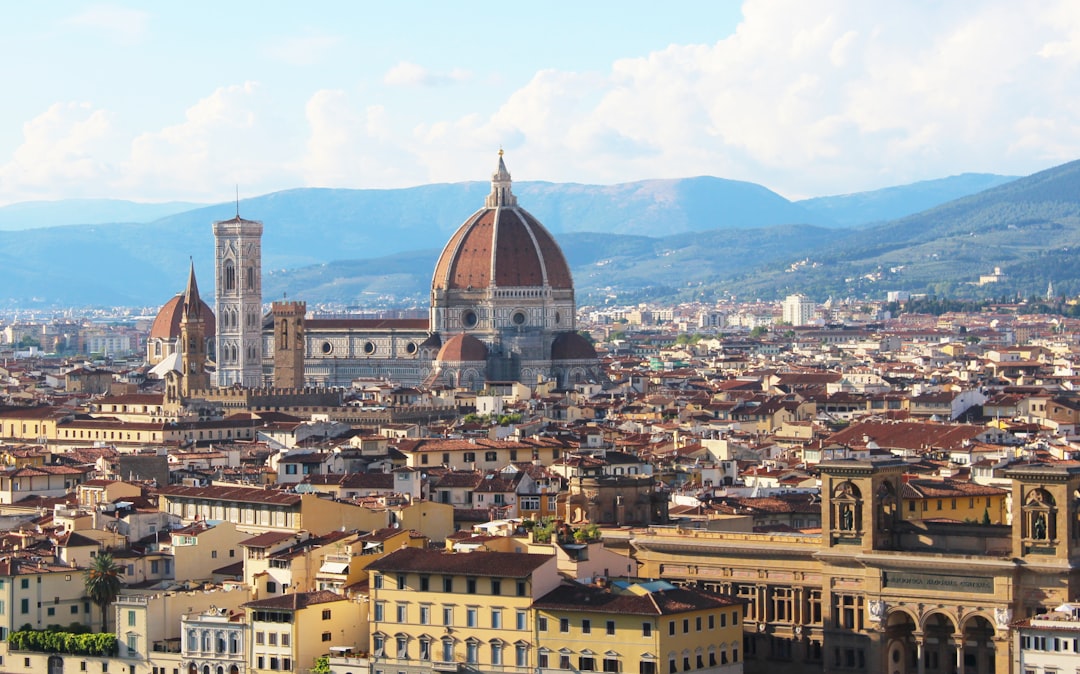
The Uffizi Gallery was originally designed by Giorgio Vasari in 1560 as offices (''uffizi'') for Florentine magistrates under Grand Duke Cosimo I de' Medici. Over centuries, the Medici family amassed a vast art collection, which they bequeathed to the city of Florence in 1743 on condition that it never leave the city. The gallery opened to the public in 1765, making it one of the oldest public museums in Europe. Its cultural significance lies in its unrivaled holdings of Italian Renaissance art, including works by Botticelli, Leonardo da Vinci, Michelangelo, and Raphael. The Uffizi's collection traces the development of Western art from the Middle Ages to the Baroque, offering visitors a profound understanding of the cultural flowering that defined Florence. The gallery's location along the Arno River and its connection to the Vasari Corridor—a covered passageway linking the Uffizi to the Pitti Palace—further underscores its role as a symbol of Medici power and artistic patronage.
Planning Your Visit
To make the most of your visit, advance planning is essential. The Uffizi Gallery is one of Italy's most-visited museums, and timed-entry tickets are mandatory. Standard admission includes access to the permanent collection and temporary exhibitions, subject to availability. It is strongly recommended to book tickets online via the official website or authorized resellers well in advance, especially during peak seasons (spring and summer). Walk-up tickets may be available but often sell out early. The museum is typically open Tuesday to Sunday, with Monday closures. Hours vary by season, so check the official site for current timings. Upon entry, you will pass through security screening; avoid bringing large bags or backpacks, as they must be checked in the cloakroom. Photography without flash is generally permitted for personal use. The museum can be crowded; early morning or late afternoon slots offer a more serene experience. Guided tour options are available through the museum or selected providers, offering deeper insight into key artworks. According to the official website, visitors should allow at least 2-3 hours for a thorough visit.
The Uffizi Gallery is located in the historic center of Florence, at Piazzale degli Uffizi, 6. The most convenient way to reach it is on foot if you are staying in the city center. From Florence's main railway station, Santa Maria Novella, it is a 15-minute walk via Via de' Tornabuoni and across the Ponte Vecchio. Public buses (lines C1, C2, C3, C4) stop nearby, and taxis are available but may be restricted in the limited-traffic zone. For those arriving by car, parking is available at garages such as Parcheggio Piazza della Libertà or Parcheggio Stazione, from which you can walk or take a bus. Private transfer services may be available through selected travel partners, offering door-to-door convenience; prices and availability vary by provider and date. Always verify current details on the partner booking page. Cycling is also an option, with bike-sharing services like Mobike available in the city.
Booking Cultural Experiences
The Uffizi Gallery offers several official ways to enhance your visit. Timed-entry tickets can be purchased directly from the museum's website or through authorized ticket offices. Guided tour options are provided by the museum's education department, covering themes such as ''Uffizi Highlights'' or ''Renaissance Masters''. Private guided experiences may be available through selected providers, often including smaller groups or early access; verify availability directly with the venue. Audio guides are available for rent at the entrance, offering commentary in multiple languages. Special programmes, such as temporary exhibitions or evening openings, are occasionally offered—check the official events calendar. Premium guided experiences may be available through selected providers, subject to current availability. Note that skip-the-line claims are not guaranteed; all visitors must pass through security. For a more in-depth experience, consider combining your visit with the nearby Palazzo Vecchio or the Vasari Corridor, which may require separate tickets.
Practical Visitor Tips and Nearby Cultural Recommendations
To avoid disappointment, book your Uffizi Gallery Florence Visit Guide tickets as early as possible. Arrive at least 15 minutes before your entry time to clear security. Dress comfortably and consider visiting on a weekday morning for fewer crowds. The museum has a café with limited seating, but many excellent restaurants and trattorias are nearby, such as those in the Oltrarno district. After your visit, explore the surrounding cultural landmarks: the Piazza della Signoria with its open-air sculpture gallery, the Ponte Vecchio bridge, and the Florence Cathedral (Duomo) are all within walking distance. Art lovers should also consider the Accademia Gallery (home to Michelangelo's David) and the Bargello Museum for sculpture. For a quieter experience, the nearby Brancacci Chapel or the Bardini Garden offer respite from the crowds. Always check current opening hours and ticket availability on official websites, as schedules may change.
The Uffizi Gallery is an essential destination for anyone passionate about art and history. With careful planning—booking tickets in advance, choosing the right time of day, and considering a guided experience—you can appreciate its masterpieces without stress. This Uffizi Gallery Florence Visit Guide aims to equip you with reliable information to make informed decisions. Remember that prices and availability vary by provider and date; always verify current details on the partner booking page. Whether you are a first-time visitor or a returning enthusiast, the Uffizi offers a profound encounter with the genius of the Renaissance.
Tell us about your destination, dates and cultural interests. SmartMuseum can help prepare a refined request with selected cultural travel partners. Availability, access conditions and pricing vary by provider and date.