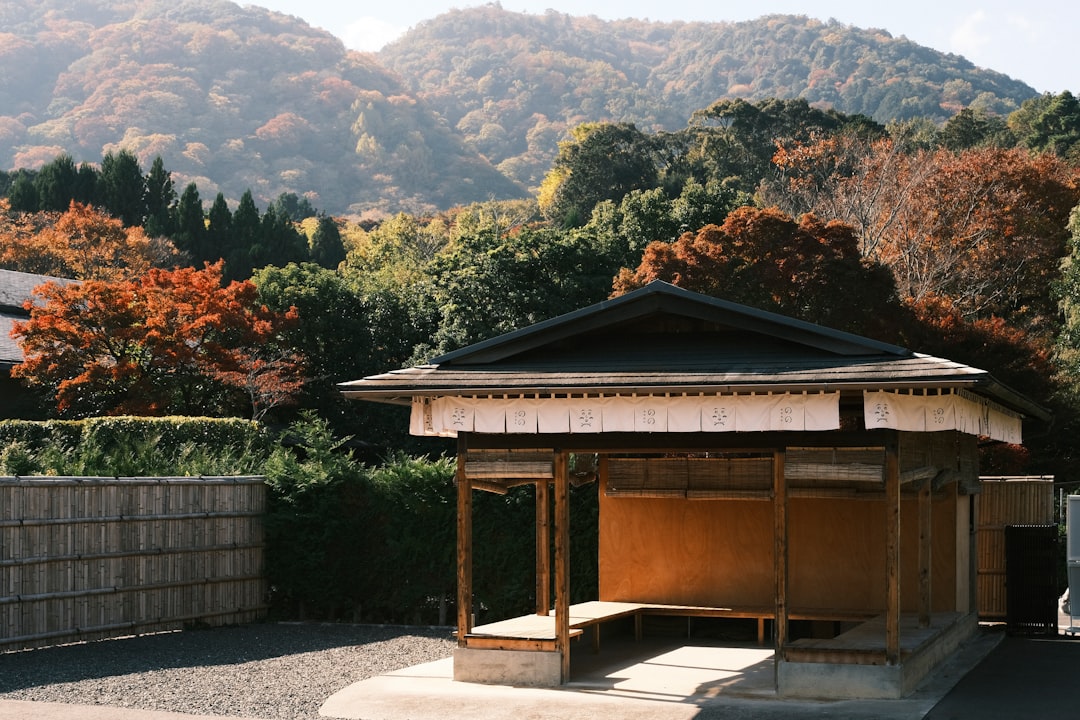
Kyoto served as Japan's imperial capital for over a thousand years, from 794 to 1868. This long period of political and cultural centrality allowed the city to become the crucible of what is now considered quintessentially Japanese: the tea ceremony (chanoyu), flower arranging (ikebana), calligraphy (shodo), Noh and Kabuki theatre, and the Zen gardens that embody spiritual contemplation. The city's numerous temples and shrines, many designated UNESCO World Heritage sites, are not mere relics but active centres where these traditions are preserved and taught. Understanding this historical depth enriches any visit; the practices you witness today are the result of centuries of refinement and dedication.
The preservation of traditional culture in Kyoto is not static. Many schools of tea, flower arranging, and other arts have their headquarters in Kyoto, and they continue to train practitioners worldwide. The Gion district remains famous for its geiko and maiko (geisha and apprentices), who embody the pinnacle of traditional entertainment arts. However, it is essential to approach these cultural expressions with respect; they are not performances for tourists but living traditions. This Kyoto Traditional Culture Guide emphasises that authentic engagement comes from participating in workshops and attending ceremonies with licensed instructors, not from seeking staged photo opportunities.
Planning Your Visit
Kyoto's traditional culture experiences are widely available, but advance planning is recommended, especially during peak seasons (spring cherry blossom and autumn foliage). Official venues such as the Kyoto International Community House or cultural centres like the Urasenke Foundation offer introductory tea ceremony sessions that are open to the public. Many temples also host morning meditation or sutra copying sessions. For kimono experiences, numerous rental shops provide dressing services and permits you to walk through historic districts like Higashiyama or Arashiyama. It is advisable to book directly through official websites or recognised cultural organisations to ensure quality and authenticity. Prices and availability vary by provider and date. Always verify current details on the partner booking page.
For those interested in deeper learning, multi-day workshops in pottery, weaving, or Japanese confectionery (wagashi) are available through established studios. These typically require reservations weeks or months in advance. The Kyoto Traditional Culture Guide recommends checking the official tourism website of Kyoto City for up-to-date listings of cultural experiences and seasonal events.
Getting There
Kyoto is well connected by rail. The Shinkansen (bullet train) from Tokyo takes approximately 2 hours 15 minutes, and from Osaka, the journey is about 30 minutes by limited express. Within the city, the efficient bus and subway networks serve most cultural sites. For a more comfortable journey, especially if you are carrying supplies for a workshop or travelling with companions, private transfer services may be available through selected travel partners. 🚗 Arrange Your Private Transfer Typically, taxis are plentiful but can be expensive; ride-sharing apps operate in the city. Many visitors find that a combination of public transport and walking is the most rewarding way to explore Kyoto's compact historic districts.
If you are arriving by air, Kansai International Airport (KIX) is about 75 minutes by limousine bus or train. Itami Airport (domestic) is closer, about 50 minutes by bus. For those who prefer door-to-door service, pre-arranged airport transfers may be available through official tourism partners.
Booking Cultural Experiences
Official ticketing for major cultural sites such as Kinkaku-ji (Golden Pavilion) or Fushimi Inari Taisha is straightforward; you can purchase tickets on arrival, though timed-entry tickets may be required during busy periods. For tea ceremony or craft workshops, booking directly through the venue's website is recommended. Many temples offer English-language meditation sessions; these often require advance reservation via email or an online form. Guided tour options are available at many sites, typically led by licensed guides who provide historical context and cultural insights. Some providers may offer smaller-group or early-access experiences — verify availability directly with the venue.
For a more structured itinerary, consider joining a cultural tour that combines multiple experiences, such as a morning temple visit followed by a kimono dressing session and a tea ceremony. Premium guided experiences may be available through selected providers, but always check what is included. Remember that authenticity and respect are paramount; choose experiences that are led by qualified practitioners rather than purely commercial operators.
Practical Visitor Tips and Nearby Cultural Recommendations
Dress appropriately when visiting temples and shrines: modest clothing that covers shoulders and knees is respectful. Remove shoes where indicated, and avoid loud conversations. Photography may be restricted in certain areas, especially during ceremonies. Many cultural workshops provide materials and instruction in English, but it is wise to confirm language support when booking.
Nearby cultural recommendations include the Kyoto National Museum, which houses important art and artefacts, and the Ryoan-ji Zen garden, a masterpiece of dry landscape design. The Nishiki Market, known as 'Kyoto's Kitchen', offers a sensory journey into local food culture. For a deeper dive into traditional crafts, visit the Kyoto Traditional Crafts Center, where you can see artisans at work. The Kyoto Traditional Culture Guide encourages you to explore beyond the main tourist trail; neighbourhoods like Fushimi (famous for sake brewing) and Ohara (rural temples) offer serene experiences away from crowds.
Conclusion
Kyoto's traditional culture is not a museum piece but a living, breathing heritage that continues to evolve. By approaching your visit with curiosity and respect, you can gain meaningful insights into Japanese aesthetics and values. This Kyoto Traditional Culture Guide has provided a foundation for planning your journey, but the real discovery comes from personal engagement. Book experiences through official channels, be mindful of local customs, and allow time for spontaneous moments of wonder. Whether you are sipping matcha in a centuries-old tea room or walking through a bamboo grove at dawn, Kyoto offers a profound connection to tradition that will stay with you long after you leave.
Tell us about your destination, dates and cultural interests. SmartMuseum can help prepare a refined request with selected cultural travel partners. Availability, access conditions and pricing vary by provider and date.