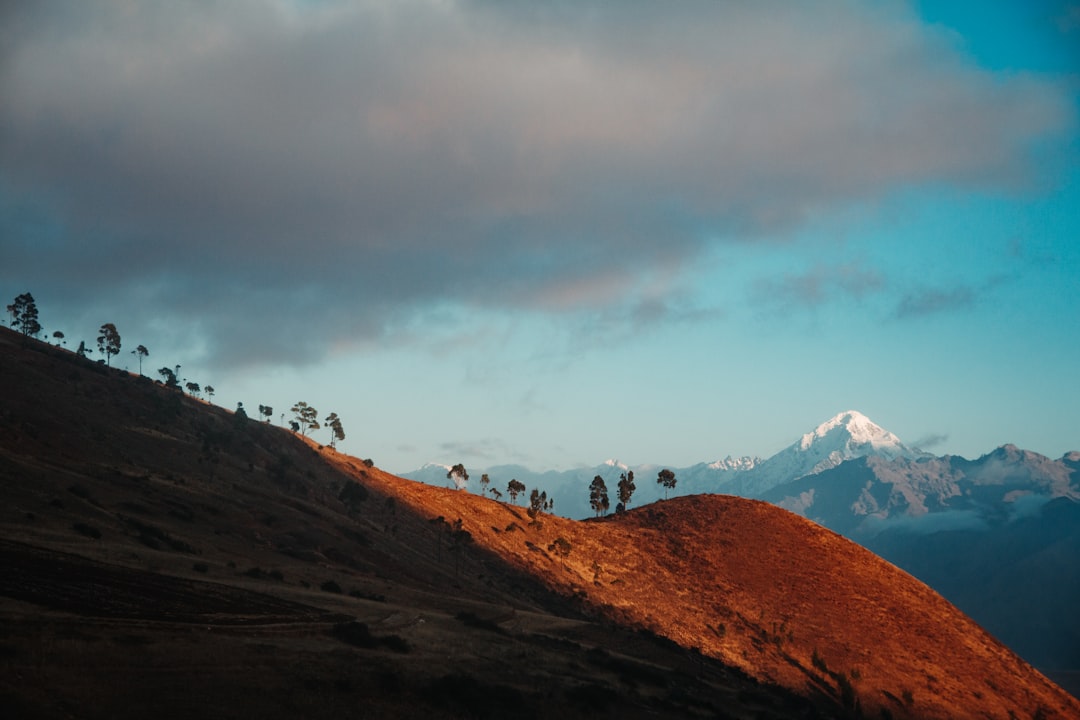
Machu Picchu was built around 1450 CE by the Inca emperor Pachacuti as a royal estate and sacred religious site. Its precise purpose remains debated, but its alignment with astronomical events and its integration into the surrounding landscape suggest deep spiritual significance. The site was abandoned after the Spanish conquest and remained unknown to the outside world until Hiram Bingham's rediscovery in 1911. Today, it is a UNESCO World Heritage Site and a symbol of Inca engineering and artistry. Visiting at dawn connects you to the Inca reverence for the sun—Inti, their principal deity—as the first rays hit the Temple of the Sun and the Intihuatana stone.
Planning Your Visit
A dawn visit requires careful planning. The site opens at 6:00 AM, and entry is strictly controlled through timed tickets. Tickets must be purchased in advance through the official government platform (managed by the Ministry of Culture). There are two circuits: Circuit 1 (Classic Route) and Circuit 2 (Longer Route), each with specific time slots. For a dawn visit, choose the earliest time slot (6:00 AM). Note that Huayna Picchu and Machu Picchu Mountain require separate permits and are limited to 400 and 200 visitors per day, respectively. Prices and availability vary by provider and date. Always verify current details on the partner booking page.
Getting There
Most visitors arrive via Cusco or the Sacred Valley. The most common route is by train from Cusco or Ollantaytambo to Aguas Calientes (Machu Picchu Pueblo), followed by a bus ride up the winding road to the entrance. Trains are operated by PeruRail and Inca Rail. Alternatively, adventurous travellers can hike the Inca Trail (requiring a permit) or the Salkantay Trek. For those seeking comfort, private transfer services may be available through selected travel partners. 🚗 Arrange Your Private Transfer It's essential to book transport and accommodation well in advance, especially during dry season (May–September).
Booking Cultural Experiences
Official guided tours are available through licensed agencies and can be arranged when purchasing tickets. These tours provide in-depth knowledge of Inca history, architecture, and astronomy. Some providers may offer smaller-group or early-access experiences—verify availability directly with the venue. Premium guided experiences may be available through selected providers, but always check official channels. For a deeper understanding, consider combining your visit with the Museo de Sitio Manuel Chávez Ballón in Aguas Calientes, which displays artifacts and explains the site's significance.
Practical Visitor Tips and Nearby Cultural Recommendations
Arrive at the bus station in Aguas Calientes by 4:30 AM to catch the first buses (starting around 5:00 AM). Bring a rain jacket, comfortable walking shoes, sunscreen, insect repellent, and water. No food or large bags are allowed inside. After your dawn visit, explore the Sacred Valley: Pisac market, Ollantaytambo fortress, and Moray terraces. In Cusco, the Inca Museum and Qorikancha are essential. For a truly immersive experience, consider a homestay in a local community to learn about Quechua traditions.
Conclusion
A dawn visit to Machu Picchu is a profound cultural experience that rewards early risers with solitude and beauty. By planning ahead, respecting regulations, and engaging with local heritage, you can enjoy this wonder responsibly. Remember that the site is fragile; tread lightly and support sustainable tourism initiatives.
Tell us about your destination, dates and cultural interests. SmartMuseum can help prepare a refined request with selected cultural travel partners. Availability, access conditions and pricing vary by provider and date.