Introduction: The Serpentine Gallery's Cultural Significance
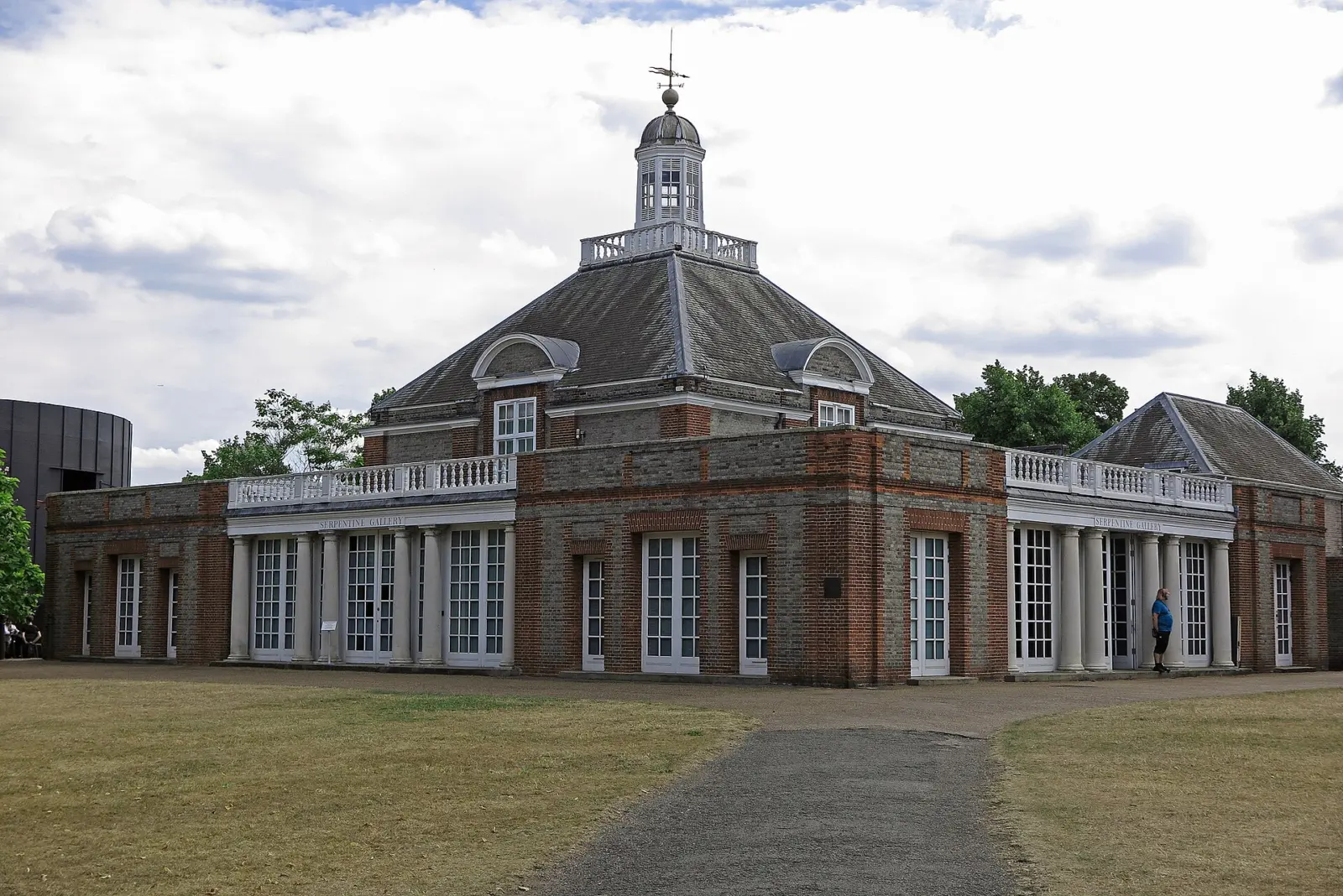
Nestled within the verdant expanse of Kensington Gardens, the Serpentine Gallery stands as one of London's most distinctive contemporary art spaces. Since its founding in 1970, this public gallery has become a cornerstone of the city's cultural landscape, renowned for its forward-thinking exhibitions, architectural commissions, and free-spirited approach to art. Unlike many major institutions, the Serpentine has consistently championed contemporary artists, often presenting their work in a serene parkland setting that contrasts with the urban intensity of central London. For culturally curious travellers, a visit to the Serpentine offers not just an art experience but a chance to engage with the living pulse of contemporary creativity in an idyllic environment. This guide aims to provide you with the historical context, practical information, and cultural insights needed to make the most of your visit, while emphasizing the importance of verifying time-sensitive details on the official website.
Historical and Cultural Context: Why the Serpentine Matters
The Serpentine Gallery was established in 1970 in a former 1930s tea pavilion, originally designed by J. Grey West. Its location in Kensington Gardens, a royal park, was initially intended as a temporary arrangement, but the gallery's popularity and cultural impact ensured its permanence. Over the decades, the Serpentine has evolved into a vital platform for contemporary art, hosting early exhibitions by now-iconic artists such as Henry Moore, Andy Warhol, and Damien Hirst. Its programme has always balanced international perspectives with a strong commitment to emerging and underrepresented voices.
One of the gallery's most celebrated traditions is the annual Serpentine Pavilion commission, initiated in 2000. Each year, an internationally acclaimed architect—who has not previously built in the UK—is invited to design a temporary structure in the gallery's grounds. These pavilions have become architectural landmarks in their own right, with designs by figures like Zaha Hadid, Bjarke Ingels, and Frida Escobedo. The pavilion serves as a social space and a hub for events, embodying the gallery's belief in art and architecture as communal experiences.
The Serpentine's cultural significance extends beyond its exhibitions. It operates as a free public space (though admission conditions should be verified) and has a strong educational mission, offering talks, workshops, and community programmes. In 2013, the Serpentine Sackler Gallery (now known as Serpentine North) opened in a former gunpowder store across the Serpentine Bridge, expanding the institution's capacity and allowing for a more diverse range of exhibitions. Together, the two sites—Serpentine South and Serpentine North—form a dynamic duo that anchors contemporary art in London's parkland.
For travellers, the Serpentine offers a unique blend of art, nature, and history. The gallery's setting within Kensington Gardens—adjacent to Hyde Park and near Kensington Palace—makes it an ideal stop during a cultural day out. The juxtaposition of avant-garde art with the pastoral beauty of the gardens creates a reflective experience, encouraging visitors to contemplate the relationship between creativity and the natural world.
Planning Your Visit: What to Expect
Before visiting the Serpentine Gallery, it's essential to plan ahead, as practical details can change. The gallery typically offers a range of exhibitions, events, and facilities, but specific offerings may vary. Check the current opening hours on the official website before your visit. The Serpentine usually comprises two venues: Serpentine South (the original gallery) and Serpentine North (across the bridge). Both are situated within walking distance of each other, making it easy to explore both in a single trip.
Exhibitions at the Serpentine are primarily focused on contemporary art, with a mix of solo and group shows. The gallery does not have a permanent collection; instead, it presents a rotating programme of temporary exhibitions, often featuring new commissions. This means that what you see will depend on the timing of your visit. The annual Serpentine Pavilion is typically on view during the summer months, but its dates and presence should be verified on the official website.
When planning, consider that the gallery can be busier on weekends and during popular exhibitions. Weekday mornings or late afternoons may offer a quieter experience. The gallery's park setting also means that weather can impact your visit; the walk between the two sites is outdoors, so dress accordingly. Facilities such as a café and shop are usually available, but it's wise to check current offerings on the official website.
Admission to the Serpentine Gallery is generally free, but conditions can change, so check the current admission conditions on the official website. Some special events or talks may require booking, and availability and access conditions vary; check the official website or your chosen provider for current details. The gallery is committed to accessibility, with step-free access and other facilities typically available; verify specific provisions on the official website.
Getting There: Practical Transport Options
The Serpentine Gallery is located in Kensington Gardens, London, easily accessible by public transport. The nearest Underground stations are South Kensington (on the District, Circle, and Piccadilly lines) and Knightsbridge (Piccadilly line), both about a 15-20 minute walk through the park. Lancaster Gate (Central line) is also nearby, offering a pleasant walk through Kensington Gardens. For those using overground trains, Paddington station is within walking distance (about 20 minutes).
Bus routes serving the area include numbers 9, 10, 52, 94, and 148, which stop along Kensington Gore or Knightsbridge. The gallery is also a short walk from the Royal Albert Hall and the Albert Memorial, making it easy to combine with other cultural visits. Cycling is an option, with Santander Cycles docking stations nearby, and walking is particularly enjoyable given the park setting.
If driving, be aware that parking in central London is limited and expensive; public transport is recommended. The gallery does not have its own car park, and street parking is restricted. For those with mobility needs, taxis can drop off near the gallery entrances, but check for any access restrictions.
Given the gallery's location within a royal park, it's worth noting that paths can be uneven and may be muddy in wet weather. Comfortable shoes are advisable. Also, check for any planned transport disruptions or park events that might affect access; the official website or Transport for London may provide updates.
Booking Cultural Experiences: Official Ticketing and Programmes
The Serpentine Gallery offers a variety of ways to engage with contemporary art, from self-guided visits to guided tours and special events. While general admission is typically free, some programmes may require booking. Availability and access conditions vary; check the official website or your chosen provider for current details. Guided visit options, where offered, are listed on the official website. These might include curator-led tours, artist talks, or community workshops. Such events often have limited capacity and may fill up quickly, so early booking is advisable if you're interested.
Availability and access conditions can change; check the official website for current details before your visit.
If you're interested in cultural experiences beyond the gallery, London offers a wealth of options. However, when booking through third-party providers, ensure they are reputable and clearly state what is included. The Serpentine's official website is the primary source for its own programmes. For broader cultural experiences, you might consider guided walks in Kensington Gardens or visits to nearby museums.
Remember that prices for any paid events can change; see the current admission prices on the official website before your visit. Also, check the current conditions on the official website regarding any booking requirements, such as registration or deposits. The Serpentine is dedicated to making art accessible, so if you have specific needs, contact the gallery directly via the details on the official website.
Practical Visitor Tips and Nearby Cultural Recommendations
To make the most of your visit to the Serpentine Gallery, consider these practical tips. First, check the official website for current exhibitions and any closures before travelling. The gallery's two sites are a short walk apart, so plan to visit both if time allows. The walk between them offers lovely views of the Serpentine lake and the park. Allow at least two to three hours to explore both venues and the surrounding gardens.
While in the area, take advantage of the nearby cultural attractions. Kensington Gardens itself is home to the Albert Memorial, the Diana, Princess of Wales Memorial Playground, and the Italian Gardens. Just across Hyde Park, you can visit the Serpentine Lake and the Princess Diana Memorial Fountain. A short walk away is the Royal Albert Hall, which offers tours and performances. The Victoria and Albert Museum, Natural History Museum, and Science Museum are all within a 15-20 minute walk, making this area a cultural hub.
For refreshments, the Serpentine's café typically offers light meals and drinks, but you may also bring a picnic to enjoy in the park. There are several cafés and restaurants nearby, including those at the Royal Albert Hall and in South Kensington. Note that opening hours and offerings can vary; check the official website for the gallery's café details.
Regarding photography, check the official visitor rules before taking photographs, as policies may vary by exhibition. Also, be mindful of other visitors and the artworks. The gallery is a space for contemplation and engagement, so maintain a respectful demeanor.
If you're visiting with children, the Serpentine often provides family-friendly activities and resources; check the official website for current offerings. The park setting is ideal for running off energy before or after a gallery visit.
Finally, consider becoming a member or supporter if you plan to visit frequently; details are on the official website. Membership often comes with benefits such as previews and discounts, but these are subject to change and should be verified.
Conclusion: Balanced Advice for Your Visit
The Serpentine Gallery offers a unique and enriching cultural experience in the heart of London. Its commitment to contemporary art, architecture, and public engagement makes it a must-visit for culturally curious travellers. By planning ahead and verifying practical details on the official website, you can ensure a smooth and enjoyable visit. Remember that while the gallery strives to be accessible and welcoming, conditions such as opening hours, admission policies, and event schedules can change. Always rely on the official website for the most accurate information. Whether you're an art aficionado or a casual visitor, the Serpentine's blend of innovative exhibitions and serene parkland setting promises a memorable encounter with contemporary culture. Enjoy your visit, and take time to explore the surrounding cultural riches of Kensington Gardens and beyond.