Ephesus, once a thriving port city of the ancient world, stands today as one of the most remarkable archaeological sites in the Mediterranean. Located near the modern town of Selçuk in Turkey, this UNESCO World Heritage Site offers a window into the grandeur of Greek and Roman civilizations. For culturally curious travellers, a guided archaeological tour of Ephesus is not merely a walk through ruins; it is a journey through layers of history, where marble streets, towering columns, and intricate mosaics tell stories of commerce, religion, and daily life spanning over two millennia.
The site's significance is immense: it was home to the Temple of Artemis, one of the Seven Wonders of the Ancient World; it hosted early Christian communities and councils; and it was a bustling metropolis where philosophers, merchants, and pilgrims converged. Today, visitors can marvel at the Library of Celsus, the Great Theatre, and the Terrace Houses, each revealing the city's former splendour. A guided tour enhances this experience by providing context, anecdotes, and expert interpretation that bring the stones to life.
This guide aims to help you plan a meaningful visit to Ephesus, with a focus on guided archaeological tours. We'll cover the historical and cultural context, practical planning advice, transportation options, booking cultural experiences, and tips for making the most of your time. Our goal is to provide trustworthy, accurate information so you can create a memorable and respectful encounter with this extraordinary heritage site.
Section 1: Historical and Cultural Context – Why Ephesus Matters
Ephesus's history is a tapestry of civilizations. Founded by Ionian Greeks in the 10th century BCE, it flourished under Roman rule, becoming the capital of the province of Asia and a major centre of trade and culture. The city's strategic location near the Aegean coast made it a vital port, though centuries of silt deposition have since moved the sea several kilometres away.
The Temple of Artemis, dedicated to the Greek goddess of hunting, was a marvel of the ancient world, attracting pilgrims from across the Mediterranean. Although only foundations and scattered fragments remain, its legacy endures. Under Roman influence, Ephesus grew into a city of monumental architecture: the Library of Celsus, built in 117 CE, served as both a library and a mausoleum for its namesake; the Great Theatre, capable of seating 25,000 spectators, hosted performances and public gatherings; and the Terrace Houses, inhabited by wealthy Ephesians, showcase exquisite frescoes and mosaics that offer insight into domestic life.
Ephesus also holds significance for early Christianity. The Apostle Paul preached here, and tradition holds that the Virgin Mary spent her final years in a nearby house, now a pilgrimage site. The city hosted the Council of Ephesus in 431 CE, which affirmed Mary as Theotokos (God-bearer). This layered religious history adds depth to any visit.
For today's traveller, understanding this context transforms a tour from a mere sightseeing exercise into a profound cultural encounter. A knowledgeable guide can illuminate the connections between the ruins and the people who once walked these streets, making the past tangible and relevant.
Section 2: Planning Your Visit – What to Expect
Ephesus is a large open-air museum, and visiting requires some planning to ensure a smooth and enjoyable experience. The site is generally open year-round, but opening hours and days can vary seasonally. Always check current opening hours on the official website or through your tour provider before you go.
Standard admission typically includes access to the main archaeological area, while additional tickets may be required for the Terrace Houses and the Ephesus Archaeological Museum in Selçuk. Prices and availability vary by provider and date. Always verify current details on the partner booking page or the official website.
Guided tour options, where offered, are listed on the official website or through reputable tour operators. These tours usually last between two to three hours and can be conducted in various languages. They often include headsets for larger groups, but it's wise to confirm with your provider. Private guided tours may be available for a more personalised pace, though availability and access conditions vary; check the official website or your chosen provider for current details.
When planning, consider the time of year: summers can be extremely hot, so early morning or late afternoon tours are advisable. Winters are milder but can be rainy. Comfortable walking shoes are essential, as the terrain is uneven marble and gravel. Also, carry water, sun protection, and a hat. The site has limited shade.
Accessibility: The main paths are paved but uneven, and some areas have steps. Visitors with mobility challenges should consult the official website for accessibility information and possibly arrange a tailored tour.
Section 3: Getting There – Practical Transport Options
Ephesus is located near Selçuk, approximately 80 kilometres south of Izmir. The nearest airports are Izmir Adnan Menderes Airport (ADB) and, for some international flights, Bodrum-Milas Airport (BJV). From Izmir, you can reach Selçuk by train, bus, or car. The train journey from Izmir's Basmane station to Selçuk is scenic and affordable, taking about 1.5 hours. Buses also run frequently from Izmir's otogar (bus terminal) to Selçuk.
Once in Selçuk, you can take a taxi or dolmuş (shared minibus) to the Ephesus site, which is about 3 kilometres away. Alternatively, many guided tours include hotel pick-up from Selçuk, Kuşadası, or Izmir. If you prefer to drive, there is a parking area near the site.
For those seeking convenience, private transfer services may be available through selected travel partners. These can be arranged in advance and offer door-to-door service, but prices and availability vary by provider and date. Always verify current details on the partner booking page.
If you're coming from the nearby resort town of Kuşadası, it's about a 30-minute drive. Cruise ship passengers often arrive at Kuşadası port and join organised tours to Ephesus. These tours typically include transportation and guide services, but check the specifics with your cruise line or tour operator.
Public transport is limited in frequency, so plan your return journey carefully. Taxis are available at the site, but it's wise to arrange your return in advance, especially in peak season.
For a seamless experience, consider booking a guided tour that includes round-trip transportation. This eliminates the hassle of navigating public transport and ensures you don't miss any highlights.
Section 4: Booking Cultural Experiences – Official Ticketing and Guided Tours
To fully appreciate Ephesus, a guided archaeological tour is highly recommended. Official ticketing for Ephesus is managed by the Turkish Ministry of Culture and Tourism, and tickets can be purchased at the entrance or online through the official website. However, during peak periods, lines can be long, so booking in advance through a reputable provider is advisable. Availability and access conditions vary; check the official website or your chosen provider for current details.
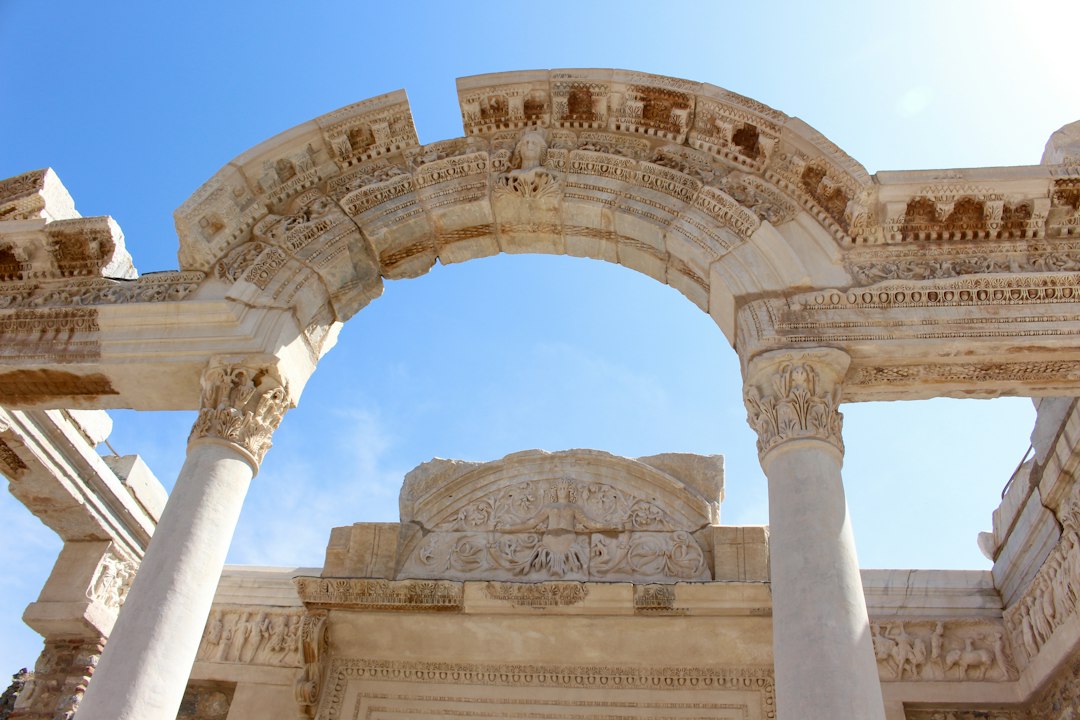
Guided tour options, where offered, are listed on the official website or through authorised tour operators. These tours are led by licensed guides who are knowledgeable about the site's history and archaeology. Tours typically cover the main highlights: the Library of Celsus, the Great Theatre, the Temple of Hadrian, the Terrace Houses, and the Arcadian Way. Some tours also include the Ephesus Archaeological Museum in Selçuk, which houses artefacts from the site.
Special programmes may be available, such as evening tours or thematic tours focusing on specific aspects like early Christianity or daily life in antiquity. These are subject to availability and should be verified with the provider. According to the official website, some tours include audio guides or multimedia presentations, but confirm inclusions when booking.
When selecting a tour, look for ones that are officially licensed and have good reviews. Avoid touts selling unofficial tours at the entrance, as these may not provide the depth or accuracy you seek. The official website is the best starting point for reliable information.
For a more tailored experience, private guided tours may be available. These allow you to explore at your own pace and focus on your interests. However, they are not guaranteed and should be arranged in advance. Availability and access conditions vary; check the official website or your chosen provider for current details.
Section 5: Practical Visitor Tips and Nearby Cultural Recommendations
To make the most of your visit to Ephesus, consider these practical tips:
Best time to visit: Early morning or late afternoon to avoid crowds and heat. Spring and autumn offer pleasant weather.
What to bring: Comfortable walking shoes, hat, sunscreen, water, and a camera. The site is exposed, so protection from the sun is crucial.
Guided tours: Book in advance, especially in high season. Choose a licensed guide for accurate information. Confirm the meeting point and duration.
Accessibility: The site is not fully wheelchair accessible. Check the official website for detailed accessibility information.
Respect the site: Do not climb on ruins, and stay on designated paths. Ephesus is an active archaeological site and a place of historical importance.
Combination tickets: Some providers offer combined tickets for Ephesus, the Terrace Houses, and the Archaeological Museum. Check current options on the official website.
Beyond Ephesus, the surrounding region offers other cultural treasures:
Ephesus Archaeological Museum (Selçuk): Houses artefacts from the site, including statues of Artemis and the Ephesian Artemis. A visit here complements the site tour.
Basilica of St. John: Located in Selçuk, this Byzantine basilica is said to be built over the tomb of St. John the Apostle. It offers panoramic views.
House of the Virgin Mary: A pilgrimage site on Mount Koressos, believed to be the final home of Mary. It is a place of quiet reflection.
Şirince: A picturesque village known for its wine and traditional houses, about 8 kilometres from Selçuk.
Priene, Miletus, and Didyma: These ancient sites are further south and can be visited on a day trip, offering more archaeological wonders.
For dining, Selçuk and Kuşadası offer a range of restaurants serving Turkish cuisine. Try local specialities like kebab, mezes, and fresh seafood. Respect local customs and dress modestly when visiting religious sites.
Conclusion: Making the Most of Your Ephesus Experience
A guided archaeological tour of Ephesus is a rewarding way to connect with the ancient world. The site's historical and cultural significance is profound, and with a knowledgeable guide, you can gain insights that go beyond guidebooks. Plan your visit carefully: check official sources for current opening hours and admission prices, book a reputable guided tour in advance, and prepare for the weather and terrain. While private transfers and exclusive access may be available through some providers, always verify details and avoid unsubstantiated promises. Focus on the authentic experience of walking through history, guided by experts who can illuminate the past.
Remember that Ephesus is not just a tourist attraction; it is a heritage site that requires respect and preservation. By visiting responsibly, you contribute to its conservation for future generations. Whether you are a history enthusiast, a spiritual seeker, or a curious traveller, Ephesus offers a profound journey through time. Enjoy your exploration, and let the stones speak of empires, faith, and the enduring human spirit.
Tell us about your destination, dates and cultural interests. SmartMuseum can help prepare a refined request with selected cultural travel partners. Availability, access conditions and pricing vary by provider and date.