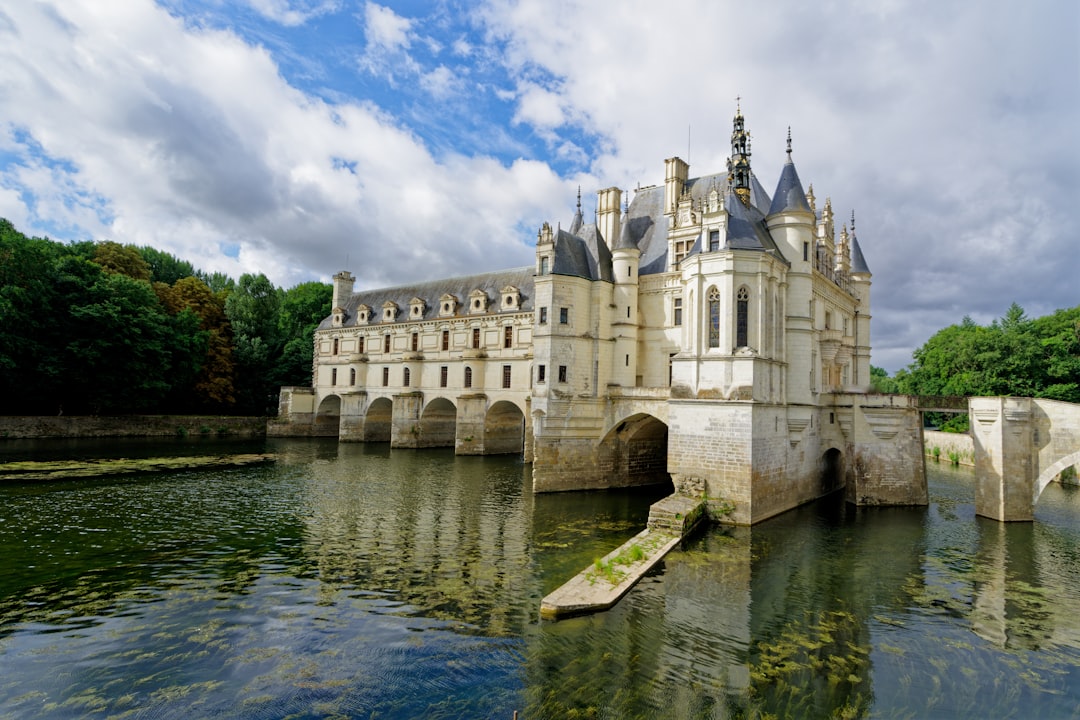
Château de Chenonceau Loire Visit Guide: Essential Tips
Colin W / Unsplash
Historical and Cultural Context
Chenonceau's story is deeply intertwined with powerful women who shaped its destiny. Built in the 16th century, it was first embellished by Catherine Briçonnet, then expanded by Diane de Poitiers, mistress of King Henry II, who added the iconic bridge over the river. After Henry's death, his widow Catherine de' Medici forced Diane to exchange Chenonceau for another château. Catherine then added the grand gallery on the bridge, creating a magnificent ballroom. Later, Louise of Lorraine, Madame Dupin (who saved the château during the French Revolution), and Marguerite Pelouze all left their mark. The château's art collection, period furnishings, and floral gardens reflect these women's tastes and power. Visiting Chenonceau is not just seeing a castle; it is walking through centuries of French political and cultural history.
Planning Your Visit
Château de Chenonceau is open year-round, with varying hours by season. Standard admission includes access to the château interiors, the gardens (including the Diane de Poitiers and Catherine de' Medici gardens), the 16th-century farm, and the wax museum featuring scenes of historical figures. Timed-entry tickets are recommended, especially during peak seasons (April–October and holidays). Audio guides are available in multiple languages, and guided tour options may be offered by the venue. For the most current opening times and ticket prices, always check the official website. Prices and availability vary by provider and date. Always verify current details on the partner booking page.
Getting There
Chenonceau is located in the village of Chenonceaux, about 30 km east of Tours. By train, take a TER to Chenonceaux station (a 10-minute walk from the château). By car, it's a scenic drive via the D976. Parking is available nearby. For a seamless journey, consider pre-booking a private transfer from Tours or other Loire Valley towns through selected travel partners. 🚗 Arrange Your Private Transfer Bicycle rental is also a popular option, as the Loire à Vélo route passes close to the château.
Booking Cultural Experiences
Official tickets can be purchased directly from the château's website. Several guided tour options are typically offered: a standard guided tour of the château, a 'Secrets of Chenonceau' tour focusing on lesser-known rooms, and a gardens tour. Premium guided experiences may be available through selected providers, offering smaller groups or early access. Always verify availability directly with the venue. For a deeper cultural immersion, consider combining your visit with a wine tasting at a local vineyard or a cooking class in the region.
Practical Visitor Tips and Nearby Cultural Recommendations
Arrive early to enjoy the gardens before the crowds. Allow at least 3–4 hours for a thorough visit. The château is mostly accessible, but some upper floors have stairs. Nearby, visit Château de Chaumont-sur-Loire (famous for its garden festival), the royal Château d'Amboise, and the Leonardo da Vinci park at Clos Lucé. The charming town of Tours offers excellent museums, including the Musée des Beaux-Arts. For dining, the château's own restaurant, L'Orangerie, serves seasonal cuisine, but booking is recommended.
Conclusion
Château de Chenonceau is a must-see for any cultural traveller exploring the Loire Valley. Its unique architecture, rich history, and stunning setting make it an unforgettable experience. By planning ahead with this Château de Chenonceau Loire Visit Guide, you can ensure a smooth and enriching visit. Remember to check official sources for the latest information, and consider booking premium experiences for a more intimate encounter with this extraordinary heritage site.
Tell us about your destination, dates and cultural interests. SmartMuseum can help prepare a refined request with selected cultural travel partners. Availability, access conditions and pricing vary by provider and date.