Design Miami Collectors Fair: Where Design Meets Cultural Conversation
Design Miami is a collectors fair and cultural event that has become a fixture on the international design calendar. It brings together galleries, designers, collectors and institutions in a setting where furniture, lighting, ceramics, glass and objets d'art are presented as serious cultural artefacts rather than mere decoration. For culturally curious travellers, the fair offers a rare opportunity to see how contemporary design intersects with craft traditions, architecture and the art market. This guide sets out the historical and cultural context, practical planning advice, transport options, booking considerations and nearby cultural recommendations so you can approach a visit with accurate expectations. Time-sensitive details such as dates, opening hours and admission conditions change; always verify them on the official website before making plans.
Historical and Cultural Context: Why Design Miami Matters
Design Miami began in 2005 as a fair dedicated to twentieth and twenty-first century collectible design. It was conceived as a counterpart to the art fairs that had long dominated the international circuit, giving design its own platform for connoisseurship. Over the years it has expanded from a single fair into a broader programme that includes talks, commissions and collaborations with cultural institutions. The fair is known for presenting works that sit at the intersection of design, architecture and art, and for attracting galleries that specialise in historical and contemporary design objects.
The cultural significance of Design Miami lies in how it frames design as a field of collecting and scholarship. Visitors encounter pieces by established designers and emerging makers, often displayed in curated booth presentations that reward close looking. The fair also functions as a meeting point for museums, curators and design professionals, and its talks and panel discussions typically address themes such as material innovation, craft heritage and the role of design in public life. For travellers interested in material culture, the fair provides a concentrated view of current debates in the design world. It is worth noting that the fair is a commercial event with an educational dimension, not a museum exhibition; the experience is shaped by the galleries and programmes present in any given edition.
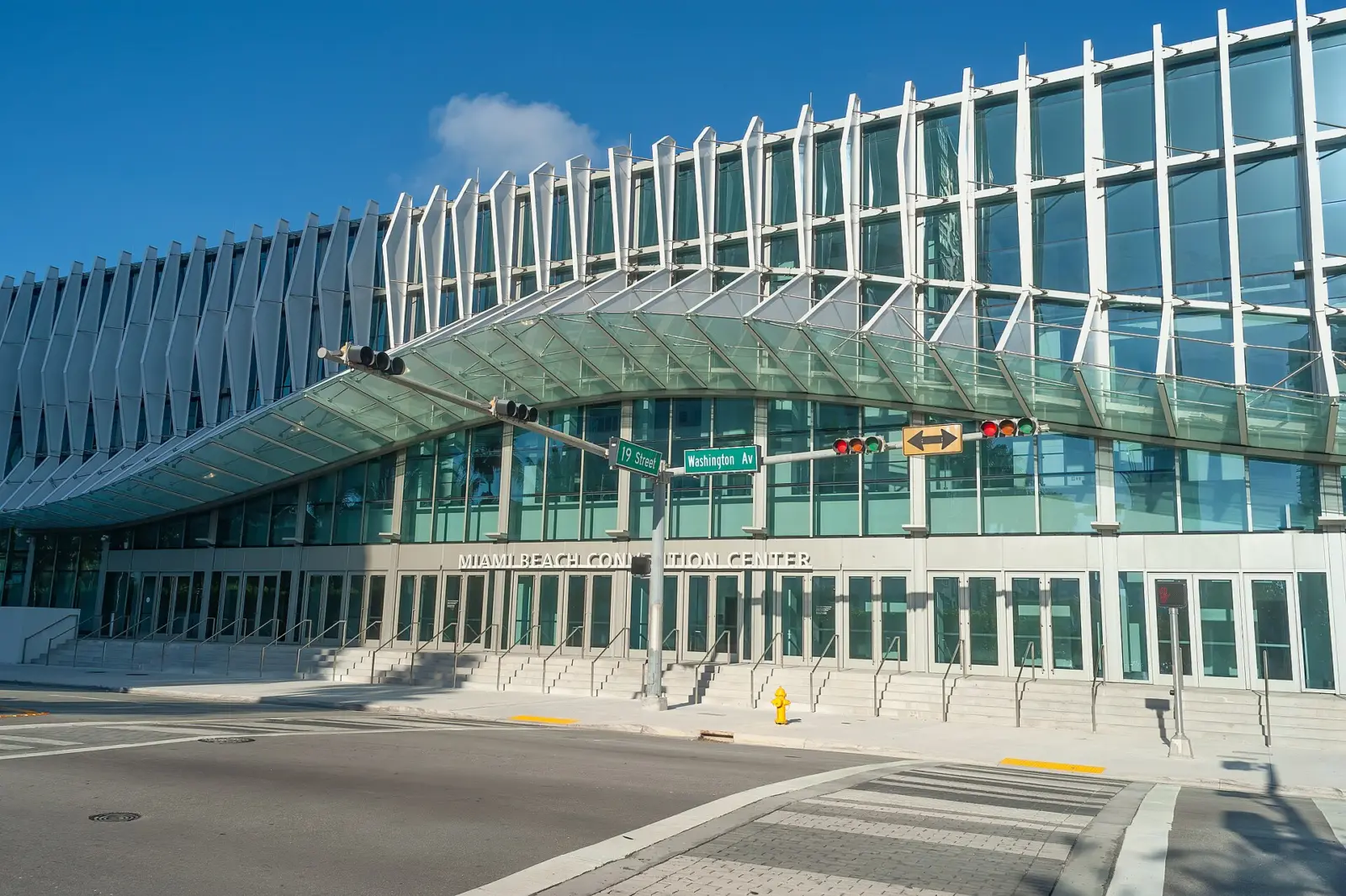
Design Miami has historically been associated with Miami Beach, where it takes place alongside other cultural events. The exact venue and dates vary by edition, so check the official website for current information rather than relying on past schedules. The fair's presence has contributed to Miami's broader cultural ecosystem, which includes major art museums, private collections and heritage architecture. Understanding this context helps visitors appreciate why the fair matters beyond the objects on display: it is part of a wider conversation about how design is collected, studied and exhibited.
Planning Your Visit: What Is Officially Available
Planning a visit to Design Miami requires attention to the official channels. The fair typically operates on a ticketed basis, with different admission options that may include standard admission, timed-entry tickets and guided tour options where offered. Availability and access conditions vary; check the official website or your chosen provider for current details. Because the fair is a scheduled event rather than a permanent museum, dates and venue details change from edition to edition. Always confirm the current dates, location and opening hours on the official website before booking travel or accommodation.
What can you expect on site? The fair usually presents a curated selection of galleries in a designed environment, with adjacent programmes such as talks, book signings and special commissions. Some editions include satellite events and collaborations with local institutions. These are documented on the official website and in the fair's published programme. If you are interested in guided visit options, where offered, they are listed on the official website. It is advisable to review the programme in advance and identify talks or presentations that align with your interests, as schedules can be dense and overlapping.
Accessibility and visitor services are typically described on the official website. If you have specific needs, check the current visitor information before your visit. The fair may offer concessions or group arrangements; these are subject to current availability and should be confirmed directly. Do not assume that any particular service or access arrangement is guaranteed; instead, rely on the official documentation for the edition you plan to attend.
Getting There: Practical Transport Options
Design Miami has historically been held in Miami Beach, a barrier island connected to mainland Miami by causeways. The exact venue can vary, so confirm the location on the official website before planning your route. General transport options for the area include:
- By air: Miami International Airport and Fort Lauderdale-Hollywood International Airport serve the region. From either airport, taxis, ride-hailing services and shared shuttles are commonly available. Public transport connections to Miami Beach involve buses and, in some cases, rail links followed by bus.
- By car: Driving to Miami Beach involves the MacArthur Causeway, Julia Tuttle Causeway or Venetian Causeway. Parking near event venues can be limited and subject to availability; check the venue's official information for parking guidance.
- Public transport: Miami-Dade Transit operates buses that connect mainland Miami with Miami Beach. The Metromover and Metrorail serve parts of Miami, but reaching the beach generally requires a bus connection. Schedules and routes can change; consult the local transit authority's official website.
- Local mobility: Within Miami Beach, walking, bicycles and ride-hailing are common ways to reach venues. Some areas are pedestrian-friendly, but distances between cultural sites can be significant.
Because transport schedules, routes and fares change, verify current options on the relevant official transport websites before travelling. If you are attending during a busy cultural week, allow extra time for traffic and crowds.
Booking Cultural Experiences: Official Ticketing and Programmes
For Design Miami, the primary booking channel is the official fair website. Ticketing options may include single-day or multi-day passes, and programmes such as talks or guided visits may have separate arrangements. Availability and access conditions vary; check the official website or your chosen provider for current details. The fair's published programme typically lists talks, panel discussions and special projects; these are the documented cultural experiences associated with the event. Some editions include collaborations with museums or cultural organisations, which are announced on the official website.
When booking, use the official ticketing page to avoid misinformation. Third-party providers may list the fair, but terms and conditions can differ. If you are considering guided visit options, where offered, they are listed on the official website. Do not assume that any particular tour, talk or access arrangement is included with general admission; check the specific programme details for each edition.
Beyond the fair itself, Miami offers a range of cultural experiences that can complement your visit. Museums, heritage sites and architectural tours may be available through their own official channels. For any cultural booking, confirm details on the institution's official website and review current conditions. Prices can change; see the current admission prices on the official website before your visit. If you are planning to combine the fair with other cultural activities, build flexibility into your schedule, as availability and opening times can vary.
Practical Visitor Tips and Nearby Cultural Recommendations
To make the most of your visit, consider these practical tips. First, check the official website for current opening hours, admission conditions and visitor rules. The fair can be busy, especially during peak cultural weeks; arriving earlier in the day may mean a quieter experience, subject to current arrangements. Second, review the programme in advance and prioritise the talks or presentations that interest you most. Third, wear comfortable shoes, as fair venues often involve walking and standing. Fourth, check the official visitor rules before taking photographs. Fifth, plan for Miami's climate: heat, humidity and occasional rain can affect travel between venues, so carry water and allow buffer time.
Nearby cultural recommendations in the Miami area include major art museums, design collections and heritage architecture. The Wolfsonian–FIU, for example, holds a collection focused on design and propaganda from the late nineteenth and early twentieth centuries. The Pérez Art Museum Miami (PAMM) presents modern and contemporary art. The Vizcaya Museum and Gardens offers a historic estate with decorative arts and landscape design. These institutions have their own official websites with current visitor information; check them before your visit. Architectural enthusiasts may also appreciate the Art Deco Historic District in Miami Beach, which can be explored on foot or through guided tours where offered. Each of these sites has its own admission conditions and opening hours, so verify details on the respective official websites.
For those interested in the broader design ecosystem, local design districts and galleries may host events during the fair period. These are typically listed on the fair's official website or the organisations' own channels. Availability and access conditions vary; check the official website or your chosen provider for current details. When planning, keep in mind that Miami's cultural calendar is dense, and some venues may have timed-entry tickets or guided tour options. Standard admission policies differ by institution, so review each site's official information.
Conclusion: A Balanced Approach to Design Miami
Design Miami is a significant event for anyone interested in collectible design, offering a concentrated look at how design is presented, discussed and collected. It is not a traditional museum experience, and its commercial nature means that the atmosphere and offerings depend on the galleries and programmes of each edition. By planning through official channels, verifying time-sensitive details on the official website, and allowing flexibility, culturally curious travellers can approach the fair with realistic expectations. Combine the fair with visits to Miami's museums and heritage sites to deepen your understanding of design in context. Whether you are a seasoned collector or a curious traveller, the key is to rely on documented information and to check current conditions before you go.