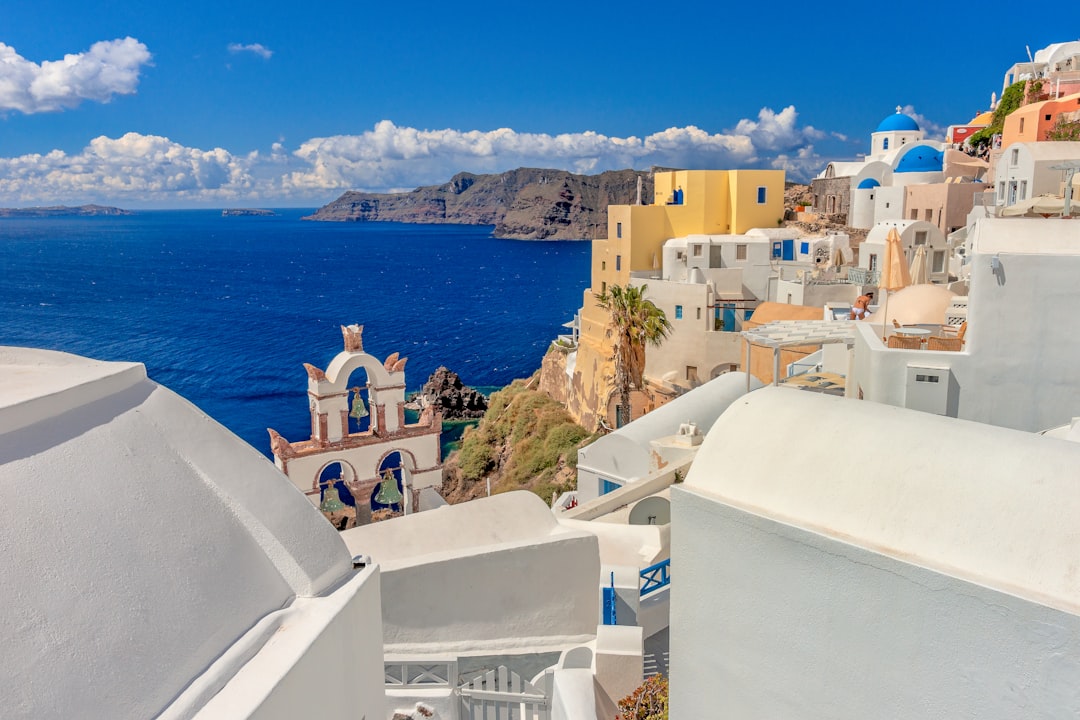
The Greek Islands have long been a beacon for travellers seeking sun, sea, and ancient wonders. A classical heritage cruise offers a unique opportunity to immerse yourself in the cradle of Western civilisation, visiting iconic archaeological sites that have shaped our understanding of art, philosophy, and democracy. This guide provides an informative overview for culturally curious travellers, focusing on the historical significance, planning, and practicalities of such a journey.
Historical and Cultural Context
The Aegean Sea is not just a body of water; it is a historical highway that connected the great city-states of antiquity. From the Minoans of Crete to the Classical Athenians, these islands were centres of trade, culture, and power. A classical heritage cruise typically includes stops at Delos, the mythical birthplace of Apollo, and Rhodes, with its medieval and ancient layers. The island of Kos, home to Hippocrates, offers insights into ancient medicine, while Samos boasts the Temple of Hera, one of the largest of its kind. These sites are not merely ruins; they are the tangible remnants of a civilisation that laid the foundations for modern thought. Understanding this context enriches the experience, transforming a simple vacation into a pilgrimage through time.
Planning Your Visit
Planning a classical heritage cruise requires careful consideration. Most cruises operate seasonally, typically from spring to autumn, but exact dates and itineraries vary. When selecting a cruise, consider the duration, the specific islands included, and the depth of guided interpretation offered. Many cruises provide on-board lectures and guided tours at each site, which are invaluable for understanding the historical context. It is advisable to book well in advance, especially for popular departure dates. Always check the official website of the cruise line or your chosen provider for the most current schedules, itineraries, and availability. Remember that availability and access conditions vary; check the official website or your chosen provider for current details.
Getting There
Most Greek island cruises depart from major ports such as Piraeus (Athens) or Thessaloniki. International travellers typically fly into Athens International Airport and then transfer to the port. Options include public transportation, taxis, or pre-arranged transfers. Some travellers may opt for private transfer services, which may be available through selected travel partners. It is essential to arrive at the embarkation port at least a day before departure to avoid any travel disruptions. For those wishing to extend their stay, Athens itself offers unparalleled cultural treasures, from the Acropolis to the National Archaeological Museum.
Booking a classical heritage cruise is the first step; enhancing it with cultural experiences is the next. Many cruise lines offer guided visit options, where offered, are listed on the official website. These may include specialised tours led by archaeologists or historians. Additionally, some sites offer timed-entry tickets to manage visitor flow, and it is advisable to book these in advance through official channels. For independent exploration, consider visiting lesser-known sites or museums that are often less crowded. Always verify current admission prices on the official website, as they may change. Remember, standard admission and timed-entry tickets are typically available, and guided tour options may be listed on official websites.
Practical Visitor Tips and Nearby Cultural Recommendations
When visiting archaeological sites, comfortable walking shoes, sun protection, and water are essential. Respect the sites by not touching or climbing on ruins. Many islands have local museums that house artefacts discovered at nearby sites; for instance, the Archaeological Museum of Rhodes or the Delos Museum. These provide deeper context and are often less crowded than the sites themselves. Additionally, consider exploring local traditions, such as sampling regional cuisine or attending a cultural festival, if your visit coincides. The Greek Islands are rich in living culture, and a balance of ancient and modern will enhance your understanding.
A Greek Islands classical heritage cruise is more than a holiday; it is an educational journey through the foundations of Western civilisation. By planning carefully, verifying current details, and embracing both the monumental and the everyday, you can create a deeply rewarding experience. Remember to check official websites for the latest information on schedules, prices, and availability. With thoughtful preparation, your voyage will be both enlightening and memorable.
Tell us about your destination, dates and cultural interests. SmartMuseum can help prepare a refined request with selected cultural travel partners. Availability, access conditions and pricing vary by provider and date.