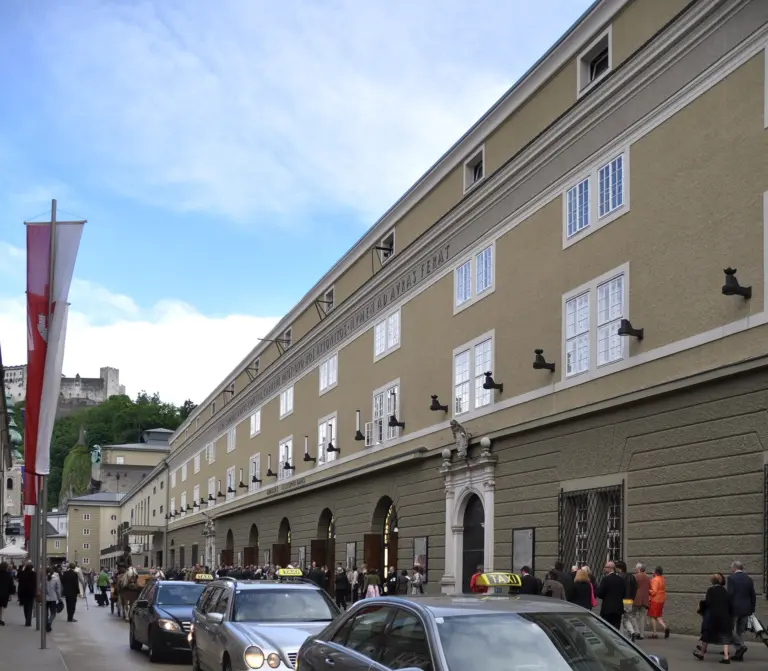
The Bayreuth Festival is one of the most prestigious and culturally significant opera festivals in the world, dedicated exclusively to the works of Richard Wagner. Held annually in the Bavarian town of Bayreuth, Germany, this festival draws Wagner enthusiasts from across the globe to the iconic Festspielhaus, a theatre designed by Wagner himself. This Bayreuth Festival Wagner Opera Guide provides essential information for culturally curious travellers planning to attend this extraordinary event.
Historical and Cultural Context
Richard Wagner, the revolutionary 19th-century composer, conceived the Bayreuth Festival as a platform to present his monumental music dramas in ideal conditions. The Festspielhaus, opened in 1876 with the premiere of the complete 'Ring Cycle', was built according to Wagner’s specifications, featuring a unique covered orchestra pit and superb acoustics. The festival has been held almost annually since, interrupted only by wars and economic crises. Today, it remains a pilgrimage site for opera lovers, preserving Wagner's legacy through performances by world-class singers, conductors, and orchestras. Understanding this history enriches the experience, as the festival is not merely a series of concerts but a living tradition deeply rooted in German cultural heritage.
Planning Your Visit
Planning a trip to the Bayreuth Festival requires careful advance preparation. The festival typically runs from late July to late August, with performances of Wagner's operas such as 'Der Ring des Nibelungen', 'Parsifal', 'Tristan und Isolde', and 'Die Meistersinger von Nürnberg'. Tickets are notoriously difficult to obtain due to high demand; the official allocation is primarily through a lottery system. Applications usually open in the autumn of the previous year, with allocations and rejections sent in October and November; check the official ticket ordering page for the current deadlines. It is advisable to register on the official festival website and apply promptly. Alternatively, a limited number of tickets may become available through returns or last-minute releases. Prices vary by seating category and performance. Accommodation in Bayreuth books up months in advance, so securing a room early is essential. Consider staying in nearby towns such as Bamberg or Nuremberg and commuting.
Getting There
Bayreuth is located in northern Bavaria, accessible by train from major German cities like Munich, Frankfurt, and Berlin. The main train station, Bayreuth Hauptbahnhof, is about a 20-minute walk from the Festspielhaus. For those driving, the city is near the A9 autobahn. Parking near the festival venue is limited, so public transport or walking is recommended. This section provides an overview of transport options; always verify current schedules and availability.
Booking Cultural Experiences
Official tickets for the Bayreuth Festival can only be purchased through the festival’s own ticketing system. There is no official resale platform; buyers should beware of unauthorised sellers. Public guided tours of the Festspielhaus in English take place on Saturdays in September and October, and group tours can be booked through Bayreuth Tourist Information; they provide insight into the theatre's architecture and history. Tickets for public tours are sold online in advance via the Bayreuth tourist information website or at the box office (cash only). Additionally, the Richard Wagner Museum in Bayreuth offers exhibitions on the composer’s life and work.
Practical Visitor Tips and Nearby Cultural Recommendations
Attending the Bayreuth Festival is a formal occasion; many attendees wear evening attire, though the festival does not enforce a strict dress code. The performances are long (often several hours), so comfortable clothing is advisable. Intervals provide time to explore the foyer and enjoy refreshments. For a deeper cultural experience, visit the Hermitage, a historic park and palace in Bayreuth, or the Franz Liszt Museum (Liszt was Wagner’s father-in-law). The nearby city of Bamberg, a UNESCO World Heritage site, offers stunning medieval architecture and a renowned symphony orchestra. Nuremberg, with its imperial castle and Nazi Party Rally Grounds documentation centre, is also within easy reach. These destinations complement the festival and enrich your cultural journey.
Conclusion
The Bayreuth Festival is a unique cultural experience that demands planning and patience, but the reward is an unparalleled immersion in Wagner's art. This Bayreuth Festival Wagner Opera Guide has covered the essential aspects: historical context, ticket booking, travel logistics, and practical tips. Remember that tickets and accommodation require early action, and that the festival atmosphere is both reverent and festive. Whether you are a seasoned Wagnerian or a first-time visitor, the Bayreuth Festival offers a profound encounter with music drama in its most authentic setting. Plan ahead, stay informed via official sources, and prepare for an unforgettable operatic pilgrimage.
Tell us about your destination, dates and cultural interests. SmartMuseum can help prepare a refined request with selected cultural travel partners. Availability, access conditions and pricing vary by provider and date.
Updated: October 27, 2026
Independent editorial — no paid rankings
SmartMuseum premium cultural guides
Scroll to Top
Audience measurement
With your consent, SmartMuseum measures visits to its pages and clicks to its partners (/go/ links) with Google Analytics 4.
Learn more
Google receives technical data for this (pages viewed, device, browser, approximate country) and a cookie is stored for up to 13 months. Nothing is used for advertising. You can change your mind at any time with the “Cookies” link at the bottom of the page.