Introduction: The Cultural Significance of the Norwegian Fjords
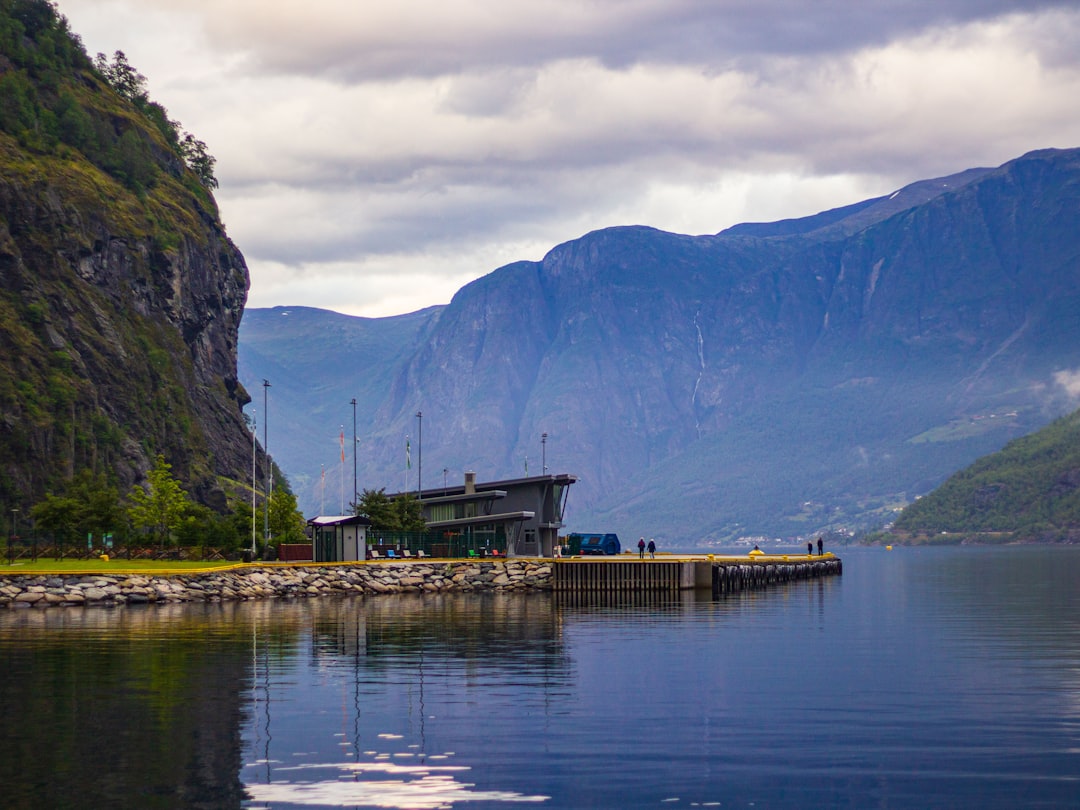
The Norwegian fjords are not only a natural wonder of dramatic cliffs and deep blue waters but also a living cultural landscape shaped by millennia of human history. From the Viking Age to the Hanseatic trade era, the fjords have been corridors of exploration, settlement, and commerce. This Norwegian Fjords Cultural Journey Guide delves into the traditions, architecture, and stories that make this region a must-visit for culturally curious travellers. Understanding the cultural context enriches every vista and village visit, transforming a scenic cruise into a profound heritage experience.
Section 1: Historical and Cultural Context
The fjords have been inhabited since the last ice age, with archaeological evidence of hunter-gatherers along the shores. The Viking Age (c. 800–1050 AD) left a lasting imprint: burial mounds, runestones, and the iconic stave churches that dot the landscape. The UNESCO-listed Urnes Stave Church in Sogn og Fjordane is a masterpiece of wood architecture, blending Norse mythology with Christian symbolism. Later, the Hanseatic League established trading posts in Bergen and other fjord towns, bringing German merchants and architectural influences. The 19th-century national romantic movement celebrated the fjords as symbols of Norwegian identity, inspiring artists like J.C. Dahl and Edvard Grieg. Today, traditional farming practices, salmon fishing, and local dialects persist in remote communities, offering authentic encounters with living heritage.
Section 2: Planning Your Visit
The best time for a cultural journey is late spring through early autumn (May–September), when most museums and heritage sites are open and weather allows for outdoor exploration. Winter visits offer a quieter experience with possible northern lights but limited access to some attractions. The Norwegian Fjords Cultural Journey Guide recommends planning at least 7–10 days to cover the key cultural sites between Bergen and Ålesund. Many visitors combine a cruise with land-based excursions. It is essential to book timed-entry tickets for popular sites like the Flåm Railway well in advance. Note that the Viking Ship Museum in Oslo is currently closed for reconstruction and is expected to reopen as the Museum of the Viking Age in 2027. Prices and availability vary by provider and date. Always verify current details on the partner booking page.
Section 3: Getting There
Bergen is the primary gateway to the fjord region, served by direct flights from major European cities and a modern airport with efficient connections. From Bergen, you can travel by scenic train to Myrdal and then the famous Flåm Railway to the Aurlandsfjord. Alternatively, car rental offers flexibility for exploring remote valleys and stave churches. Ferry services connect coastal towns, and public buses run along main routes. For a seamless experience, consider pre-arranged transport packages that may include guided transfers. 🚗 Arrange Your Private Transfer Some providers offer smaller-group or early-access experiences—verify availability directly with the venue. Private transfer services may be available through selected travel partners, but always confirm details independently.
Section 4: Booking Cultural Experiences
Official ticketing for museums and heritage sites is typically available through their own websites. The Norwegian Museum of Cultural History in Oslo offers timed-entry tickets and guided tours in English. For the fjord region, the Viking Village at Avaldsnes provides immersive experiences. If your itinerary includes Oslo, the Norsk Folkemuseum, located at Bygdøy, is a worthwhile cultural stop. Guided tour options include expert-led walks through historic Bergen (Bryggen wharf), stave church visits, and farm stays with traditional food. Some providers may offer premium guided experiences that may include smaller groups or behind-the-scenes access—subject to current availability. Always check the official website for special programmes like the Midnight Sun concerts at the Oslo Opera House or the Bergen International Festival (May–June).
Section 5: Practical Visitor Tips and Nearby Cultural Recommendations
Pack layers and waterproof clothing; weather changes rapidly. Learn a few Norwegian phrases – locals appreciate the effort. Tipping is not mandatory but rounding up the bill is common. For cultural immersion, visit the open-air museums in Oslo and Bergen, which showcase traditional buildings and crafts. In the fjords, stop at small museums like the Norwegian Glacier Museum in Fjærland or the Sognefjord Aquarium. Consider a guided kayak tour with a cultural historian to hear stories of the fjord settlements. Nearby, the city of Stavanger offers the Norwegian Petroleum Museum and the historic Gamle Stavanger district with white wooden houses. For a unique experience, attend a local ‘kirkekaffe’ (church coffee) after a Sunday service in a rural village – a warm welcome into community life.
Conclusion
The Norwegian fjords offer far more than postcard scenery; they are a gateway to a rich cultural tapestry that rewards the thoughtful traveller. This Norwegian Fjords Cultural Journey Guide has aimed to provide a balanced, factual foundation for your planning. Remember that authentic experiences come from respecting local customs, supporting small-scale providers, and taking time to absorb the layers of history. Whether you explore the Hanseatic wharf of Bergen or the serene beauty of a stave church, your journey will be enriched by the stories embedded in the landscape. Always verify current details on official websites and booking pages to ensure a smooth and culturally respectful visit.
Tell us about your destination, dates and cultural interests. SmartMuseum can help prepare a refined request with selected cultural travel partners. Availability, access conditions and pricing vary by provider and date.