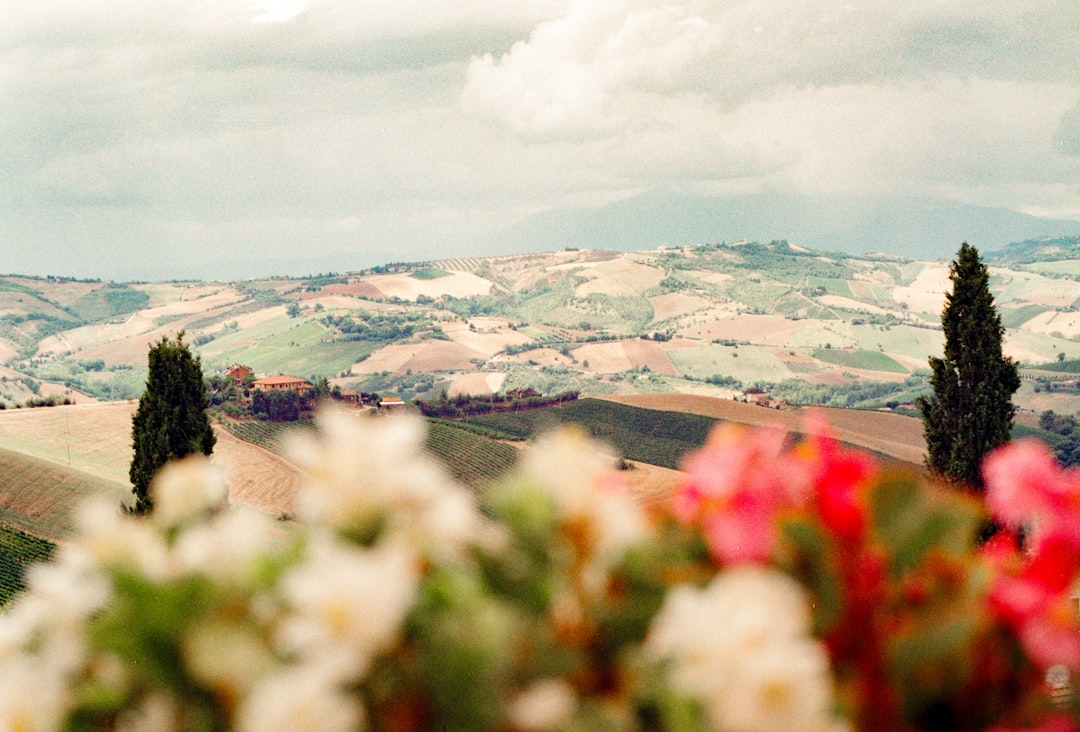
Wine and food in Tuscany are not merely sustenance; they are expressions of identity, territory, and tradition. The Etruscans, who inhabited the region before the Romans, cultivated vines and produced wine for trade and ritual. Roman writers like Pliny the Elder praised Tuscan wines, and the Middle Ages saw the rise of monastic vineyards that laid the groundwork for today's famous denominations. The Renaissance brought a flourishing of culinary arts, with cookbooks like Il Libro de Arte Coquinaria by Maestro Martino da Como influencing European cuisine. In the 20th century, the Chianti Classico region pioneered the DOC (Denominazione di Origine Controllata) system, and Tuscany became a global symbol of quality wine and food. The cultural significance of gastronomy is celebrated through festivals, enotecas, and agriturismi that preserve traditional recipes and farming methods.
Planning Your Visit
To fully experience Tuscany's vineyards and gastronomy, plan your trip around the harvest season (September-October) or spring (April-June) when the countryside is lush. Many wineries and culinary experiences require advance booking, especially for guided tours and tastings. Official tourism websites like Visit Tuscany provide reliable information on wineries, cooking classes, and food markets. For structured tours, consider booking through reputable cultural travel platforms. Prices and availability vary by provider and date. Always verify current details on the partner booking page. Some providers may offer smaller-group or early-access experiences — verify availability directly with the venue.
Getting There
Tuscany is well-connected by train and road. The main gateway is Florence (Amerigo Vespucci Airport), with Pisa and Bologna also convenient. From Florence, regional trains serve Siena, Arezzo, and smaller towns. To reach vineyards, renting a car offers flexibility, but designated drivers or organized tours are recommended for wine tasting. Public buses connect some wine regions, but schedules can be limited. For a hassle-free experience, private transfer services may be available through selected travel partners. 🚗 Arrange Your Private Transfer Many tour operators offer day trips from Florence or Siena that include wine tastings and lunch at a winery. Always check the provider's cancellation policy and what is included.
Booking Cultural Experiences
Official ticketing for winery visits and cooking classes is typically handled through the venue's own website or via authorized tour operators. The Consorzio del Vino Brunello di Montalcino and Consorzio Vino Chianti Classico offer lists of member wineries open to the public. For a deeper cultural immersion, look for experiences that include a guided tour of the vineyards and cellars, followed by a tasting of the estate's wines paired with local cheeses and cured meats. Some historic estates, like Castello di Verrazzano or Fattoria di Fèlsina, offer cooking classes that teach traditional Tuscan recipes. Standard admission typically includes a guided tour and tasting; timed-entry tickets may be required. Premium guided experiences may be available through selected providers, offering smaller groups or extended tours. Always confirm what is included before booking.
Practical Visitor Tips and Nearby Cultural Recommendations
When visiting vineyards, dress comfortably for walking on uneven terrain and bring a jacket, as cellars are cool. Reservations are essential, especially during peak season. Many wineries are closed on Sundays and public holidays. For a broader cultural itinerary, combine wine tours with visits to historic towns: Siena's Piazza del Campo, San Gimignano's towers, and Montepulciano's Renaissance palaces. The city of Florence offers world-class museums like the Uffizi and Accademia, but also culinary experiences such as the Mercato Centrale food hall. Slow Food presidia (protected products) include Chianina beef, pecorino cheese, and extra-virgin olive oil — look for them at local markets. For a true taste of tradition, dine at a trattoria that sources ingredients from nearby farms.
Conclusion
Tuscany's vineyards and gastronomy are a living heritage, inviting travelers to slow down and savor the fruits of centuries of culture. By planning ahead and choosing authentic experiences, you can connect with the land and its people in a meaningful way. This Tuscany Vineyards and Gastronomy Heritage Guide aims to equip you with the knowledge to navigate the region's offerings with confidence and respect. Remember that each glass of wine and each dish tells a story — take the time to listen.
Tell us about your destination, dates and cultural interests. SmartMuseum can help prepare a refined request with selected cultural travel partners. Availability, access conditions and pricing vary by provider and date.