Introduction: The Venice Biennale Vernissage and Its Cultural Significance
The Venice Biennale is one of the world's most prestigious cultural events, a sprawling exhibition of contemporary art that transforms the city every two years. Its vernissage—the opening days reserved for press and professionals—is a key moment in the global art calendar. This guide offers culturally curious travellers an informative overview of the vernissage, its context, and how to engage with it responsibly. Whether you are an art professional or a passionate observer, understanding the vernissage's role within the Biennale will enrich your experience of Venice's vibrant cultural landscape.
The Biennale itself is a permanent institution, but the vernissage is a time-sensitive event. Always verify current dates and access conditions on the official website before planning your trip.
Section 1: Historical and Cultural Context – Why the Vernissage Matters
The Venice Biennale was founded in 1895 as a platform for international art. Over the decades, it has grown to include architecture, dance, music, and theatre, with the art exhibition now held in odd-numbered years. The vernissage, traditionally a press preview, has evolved into a gathering of artists, curators, collectors, and critics from around the world. It is a moment when the art community converges to discuss, critique, and celebrate new works.
The vernissage is not merely a preview; it is a cultural ritual that sets the tone for the entire exhibition. It offers a first look at national pavilions, collateral events, and the main exhibition curated by the Biennale's artistic director. While the vernissage is primarily for accredited professionals, its influence ripples outward, shaping media coverage and public discourse. For culturally curious travellers, understanding this context adds depth to a visit during the public opening or even during the vernissage if access is granted through official channels.
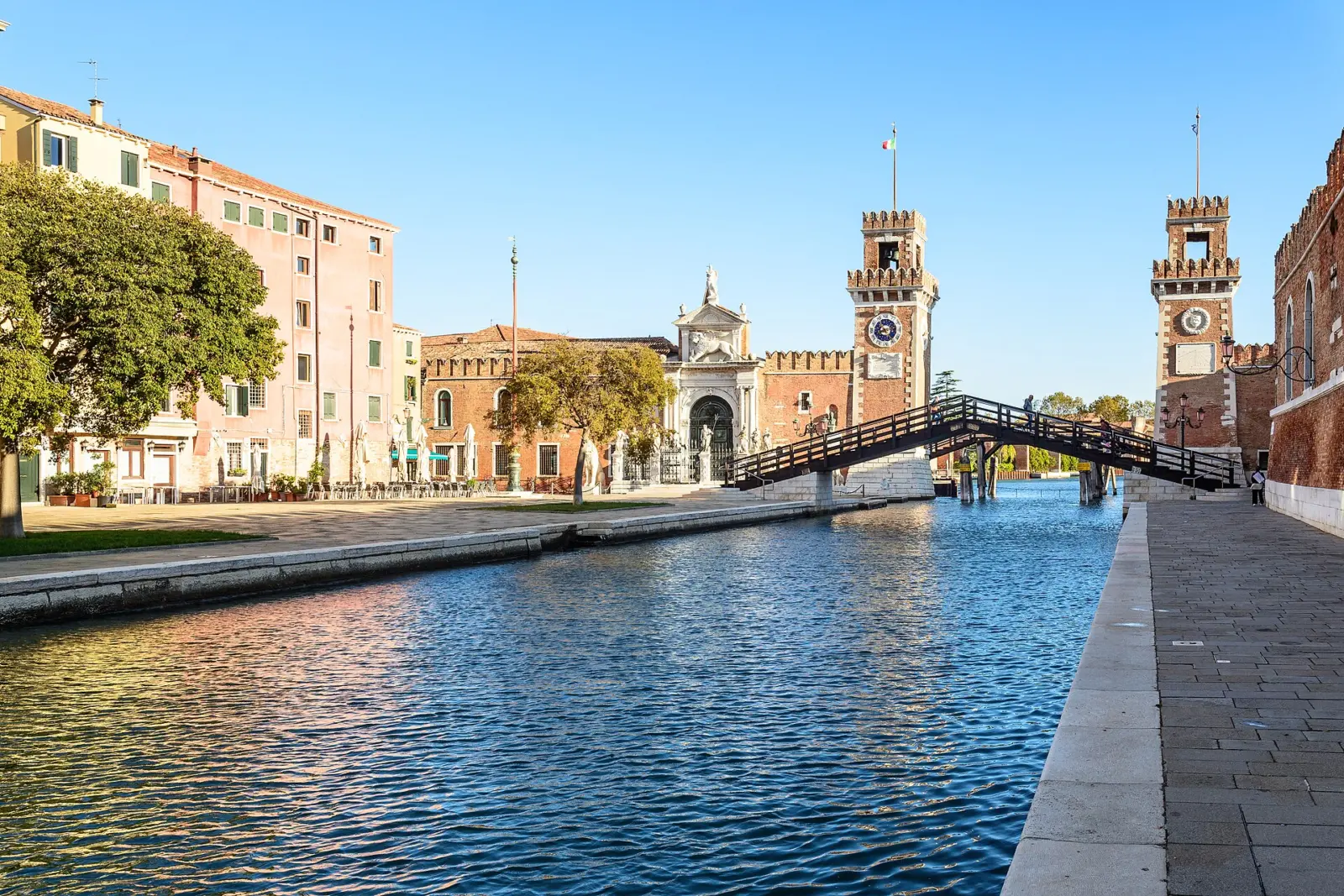
The Biennale's venues—the Giardini and the Arsenale—are historic sites themselves. The Giardini houses 30 national pavilions, many designed by renowned architects, while the Arsenale, a former shipyard, provides a dramatic backdrop for large-scale installations. These locations are permanent, but the exhibitions change with each edition. The vernissage is a time-sensitive event; check the official website for current dates and access policies.
Section 2: Planning Your Visit – What Is Officially Available and How to Prepare
Planning a visit to the Venice Biennale vernissage requires careful attention to official channels. The vernissage is typically reserved for accredited press and professionals, but access conditions vary. According to the official website, accreditation is managed by the Biennale's press office, and eligibility criteria are strictly applied. For those not eligible for accreditation, the public opening follows the vernissage, and tickets are available for standard admission.
If you are a professional in the art world, check the official website for accreditation procedures well in advance. Deadlines and requirements are time-sensitive and must be verified. For general visitors, the Biennale offers timed-entry tickets and guided tour options, where offered, are listed on the official website. Availability and access conditions vary; check the official website or your chosen provider for current details.
It is essential to distinguish between the vernissage and the public opening. The vernissage is a professional event, while the public opening welcomes all ticket holders. Prices can change; see the current admission prices on the official website before your visit. Do not rely on third-party sources for dates or access rules—always consult the official Biennale website.
Accommodation in Venice during the vernissage can be in high demand. While we cannot recommend specific hotels or packages, it is advisable to book well in advance. Note that we do not offer or endorse any exclusive access arrangements or private services.
Section 3: Getting There – Practical Transport Options
Venice is well-connected by air, rail, and road. The city's main airport, Marco Polo, is served by numerous international flights, and from there, you can reach the Biennale venues by water bus (vaporetto) or water taxi. The Giardini and Arsenale are located in the Castello district, easily accessible on foot from the San Zaccaria vaporetto stop or via the Giardini vaporetto stop.
If arriving by train, Santa Lucia station is the gateway to the city. From there, take a vaporetto to the Biennale area. Public transport in Venice is managed by ACTV, and tickets can be purchased at ticket offices or online. Check current routes and schedules on the ACTV website, as these are time-sensitive.
For those driving, cars are not allowed in the historic centre; park at Piazzale Roma or Tronchetto and continue by water bus or on foot. Walking is often the best way to explore Venice, but be prepared for bridges and narrow alleys. The Biennale venues are signposted, but always verify access points and opening hours on the official website, as they can change.
Section 4: Booking Cultural Experiences – Official Ticketing and Guided Tours
When booking cultural experiences related to the Venice Biennale, prioritize official sources. The Biennale's official website provides information on ticketing, guided tours, and special programmes. Standard admission tickets, timed-entry tickets, and guided tour options may be available, subject to current availability. Guided visit options, where offered, are listed on the official website. Do not purchase from unauthorized resellers.
For the vernissage, access is typically through accreditation, not ticketing. If you are eligible, follow the accreditation process on the official website. For the public opening, tickets can be purchased online or at the venue, but availability may be limited during peak times. Prices can change; see the current admission prices on the official website before your visit.
In addition to the main exhibition, the Biennale often includes collateral events across the city. These may have separate ticketing or access conditions. Check the official website for a list of collateral events and their booking procedures. Availability and access conditions vary; check the official website or your chosen provider for current details.
Availability and access conditions can change; check the official website for current details before your visit.
Section 5: Practical Visitor Tips and Nearby Cultural Recommendations
Visiting the Venice Biennale requires some practical considerations. The venues are large, and walking is inevitable, so wear comfortable shoes. Check the official website for current opening hours and any closure days before your visit. Be mindful of the heat in summer and crowds during peak times; planning your visit for quieter hours may enhance your experience.
While in Venice, explore the city's rich cultural heritage. Nearby, you can visit the historic churches of San Giovanni e Paolo and Santa Maria Formosa, or the Querini Stampalia Foundation, a museum and library with a beautiful garden. The Naval History Museum is also in the Castello district. These sites offer a contrast to the contemporary art of the Biennale and are worth exploring.
For dining, Venice offers everything from casual bacari (wine bars) to fine restaurants. Reservations are recommended for popular spots, but we do not endorse specific establishments. Remember to respect local customs and the fragile environment of the city.
Check the official visitor rules before taking photographs at the Biennale venues. Also, note that admission conditions can vary; check the current admission conditions on the official website.
Conclusion: Balanced Advice for the Culturally Curious Traveller
The Venice Biennale vernissage is a significant cultural event that offers a unique window into the contemporary art world. While access is primarily for professionals, the public opening provides ample opportunities to engage with the exhibitions. Plan your visit using official sources, verify all time-sensitive details on the official website, and approach the experience with cultural respect. Whether you attend the vernissage or the public opening, the Biennale is a testament to Venice's enduring role as a crossroads of art and ideas. By following official guidance, you can ensure a rewarding and informed visit.