Barcelona Gaudí and Culture Guide: Art, Architecture & Heritage
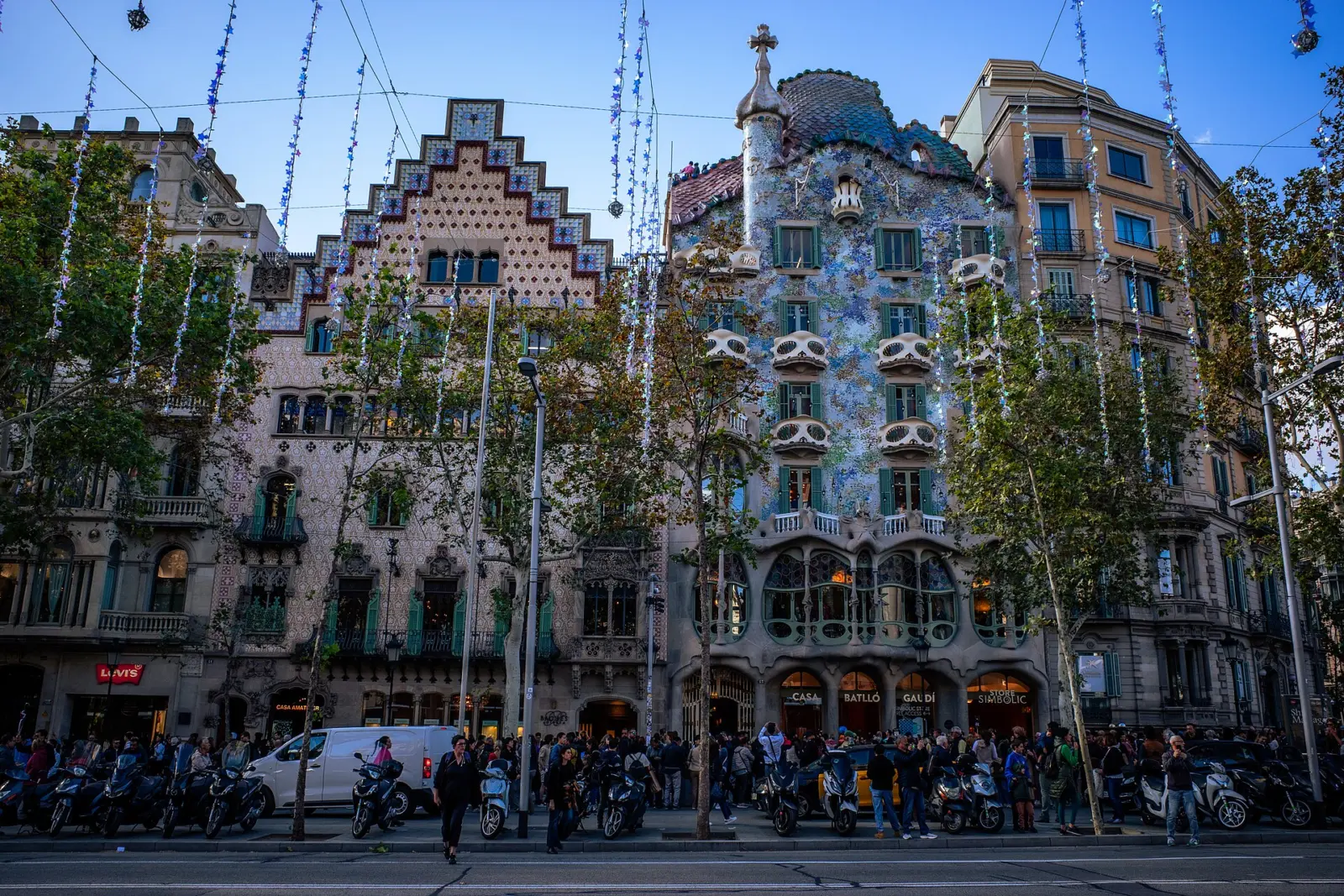
Casa Batlló (53593604536) — Nan Palmero from San Antonio, TX, USANan Palmero from San Antonio, TX, USA / Wikimedia CommonsCC BY 2.0
Introduction: The Cultural Tapestry of Barcelona
Barcelona is a city where history, art, and architecture intertwine in a unique urban landscape. At the heart of its cultural identity lies the legacy of Antoni Gaudí, the visionary architect whose works have become symbols of the city. From the iconic Sagrada Família to the whimsical Park Güell, Gaudí's creations reflect a deep connection to nature, Catalan identity, and modernist innovation. Beyond Gaudí, Barcelona boasts a rich cultural scene with world-class museums, historic neighborhoods, and a vibrant culinary tradition. This guide aims to provide culturally curious travelers with a comprehensive overview of Barcelona's Gaudí heritage and cultural offerings, ensuring a respectful and informed visit.
Historical and Cultural Context: Why Gaudí Matters
Antoni Gaudí (1852–1926) was a leading figure of Catalan Modernism, a movement that sought to break from traditional architectural styles and embrace organic forms, intricate craftsmanship, and symbolic meaning. His work is characterized by undulating lines, colorful mosaics, and structural innovations that were ahead of their time. Gaudí's deep Catholic faith and love for nature heavily influenced his designs, which often incorporate religious symbolism and natural motifs.
Seven of Gaudí's properties were inscribed as UNESCO World Heritage Sites, including the Sagrada Família, Park Güell, and Casa Batlló. These sites are not only architectural marvels but also reflect the cultural and social context of late 19th and early 20th-century Catalonia. Gaudí's work is a testament to the region's industrial prosperity and the desire to create a distinct Catalan identity. Understanding this context enriches the visitor experience, transforming a simple sightseeing tour into a journey through history and culture.
Barcelona's cultural significance extends beyond Gaudí. The city is home to the Picasso Museum, the Joan Miró Foundation, and the Barcelona Museum of Contemporary Art, each offering insights into different artistic movements. The Gothic Quarter, with its narrow medieval streets, and the vibrant neighborhood of El Born, showcase the city's layered history. This guide focuses on Gaudí but also highlights other cultural gems to provide a well-rounded perspective.
Planning Your Visit: What to Expect
When planning a Gaudí-focused cultural trip, it's essential to understand what is officially available and how to prepare. Many of Gaudí's major works are open to the public, but access conditions and availability vary. It is advisable to check the official websites of each site for current opening hours, admission prices, and any special exhibitions or events. Some sites may require timed-entry tickets, especially during peak tourist seasons, while others may offer guided tour options, where offered, are listed on the official website.
The Sagrada Família, Gaudí's unfinished masterpiece, is a working basilica and a major tourist attraction. Visitors can explore the interior, which is a forest of columns and stunning stained glass, and learn about its construction history. Park Güell, a public park with Gaudí's architectural elements, offers a unique blend of nature and design. Casa Batlló and Casa Milà (La Pedrera) are innovative residential buildings that now function as museums, allowing visitors to appreciate Gaudí's domestic architecture.
It's important to note that availability and access conditions vary; check the official website or your chosen provider for current details. Prices can change; see the current admission prices on the official website before your visit. Additionally, check the current opening hours on the official website, as these may vary by season. For any site, verify current opening status on the official website, especially if planning a visit during holidays or off-peak times.
Barcelona is well-connected by air, rail, and road. El Prat Airport (BCN) is the main gateway, with frequent flights from major European cities and beyond. From the airport, visitors can take the Aerobus, a shuttle bus that connects to the city center, or use the metro (L9 Sud line) to reach various parts of the city. The city's public transport network is extensive, with metro, buses, and trams making it easy to navigate.
For Gaudí sites, the metro is often the most convenient option. The Sagrada Família has its own metro stop (L2 and L5 lines), while Park Güell is a short walk from the Vallcarca or Lesseps metro stations (L3 line). Casa Batlló and Casa Milà are located on Passeig de Gràcia, a major avenue served by multiple metro lines and bus routes. Taxis are readily available but can be expensive; consider using ride-sharing apps or public transport for cost-effective travel.
Walking is also a great way to explore Barcelona's cultural neighborhoods. The city is relatively compact, and many attractions are within walking distance of each other. However, be prepared for hilly terrain, especially when visiting Park Güell. Wear comfortable shoes and carry water, particularly during the warmer months.
Booking Cultural Experiences: Official Ticketing and Guided Tours
To make the most of your visit, consider booking tickets in advance through official channels. Many Gaudí sites offer online ticketing, which can help you secure a spot and avoid long queues. However, availability and access conditions vary; check the official website or your chosen provider for current details. Standard admission, timed-entry tickets, and guided tour options are typically available, but it's important to verify what is included and whether any restrictions apply.
Guided tours can provide valuable insights into Gaudí's life and work. These tours are often led by knowledgeable guides who can explain the historical and cultural context of the sites. Guided visit options, where offered, are listed on the official website. Some tours may be available in multiple languages, so check the official website for details. Additionally, special programmes such as exhibitions, lectures, or workshops may be offered; these are typically announced on the official website.
When booking, be cautious of third-party providers that may not be authorized. Always verify that you are purchasing from the official website or a reputable source. It's also wise to review the cancellation policy and any terms and conditions before completing your purchase.
For a deeper cultural experience, consider visiting during local festivals such as La Mercè or Sant Jordi's Day, when the city comes alive with events and activities. However, these times can be crowded, so plan accordingly. Check the official website for any special events or temporary exhibitions that may coincide with your visit.
Practical Visitor Tips and Nearby Cultural Recommendations
To ensure a respectful and enjoyable visit, keep the following tips in mind. First, check the official visitor rules before taking photographs, as policies vary by site. Second, be mindful of other visitors and local worshippers, especially in religious sites like the Sagrada Família. Dress appropriately and maintain a quiet demeanor. Third, stay hydrated and protect yourself from the sun, as some sites have limited shade.
Beyond Gaudí, Barcelona offers a wealth of cultural attractions. The Picasso Museum, located in the El Born district, houses an extensive collection of works by Pablo Picasso, focusing on his formative years. The Joan Miró Foundation on Montjuïc Hill showcases the art of the Catalan surrealist. The Barcelona Museum of Contemporary Art (MACBA) features contemporary art from Catalonia and beyond. For history enthusiasts, the Barcelona History Museum (MUHBA) offers a glimpse into the city's Roman past.
Near the Sagrada Família, the Hospital de Sant Pau, a UNESCO World Heritage Site, is a stunning example of Catalan Modernism and is worth a visit. The Gothic Quarter, with its cathedral and ancient streets, is perfect for a leisurely stroll. The Boqueria Market on La Rambla is a feast for the senses, offering local produce and tapas. For a quieter experience, explore the neighborhoods of Gràcia or Poble-sec, which have a more local vibe and charming squares.
When planning your itinerary, consider purchasing a combined ticket or city pass if available, as these can offer savings and convenience. However, check the current admission conditions on the official website to see what is included. Also, check the official website for any accessibility information if needed, as some historic buildings may have limited access.
Conclusion: Balanced Advice for a Culturally Rewarding Visit
Barcelona's Gaudí heritage is a treasure trove for culturally curious travelers. By understanding the historical context, planning ahead, and respecting the sites, you can enjoy a meaningful and enriching experience. Remember to verify all time-sensitive details on the official websites, as information may change. Whether you're marveling at the Sagrada Família's intricate facades or wandering through Park Güell's mosaic-lined paths, Barcelona offers a journey through the mind of a genius and the soul of Catalonia. Embrace the city's cultural diversity, and let its art and architecture inspire you.
Tell us about your destination, dates and cultural interests. SmartMuseum can help prepare a refined request with selected cultural travel partners. Availability, access conditions and pricing vary by provider and date.
Updated: November 9, 2026
Independent editorial — no paid rankings
SmartMuseum premium cultural guides
Scroll to Top
Audience measurement
With your consent, SmartMuseum measures visits to its pages and clicks to its partners (/go/ links) with Google Analytics 4.
Learn more
Google receives technical data for this (pages viewed, device, browser, approximate country) and a cookie is stored for up to 13 months. Nothing is used for advertising. You can change your mind at any time with the “Cookies” link at the bottom of the page.