Introduction
Paris Photo is widely regarded as one of the most significant international art fairs dedicated to photography. Since its founding in 1997, it has become a key meeting point for collectors, curators, artists, and photography enthusiasts from around the world. Held annually in Paris, the fair presents a diverse range of photographic works, from historical prints to contemporary creations, and offers a rich programme of exhibitions, talks, and awards. For culturally curious travellers, Paris Photo provides an opportunity to engage with the global photography community and to deepen their understanding of the medium within the historic and artistic context of Paris. This guide aims to provide factual, helpful information for planning a visit, with an emphasis on verifiable details and practical advice.
Historical and Cultural Context
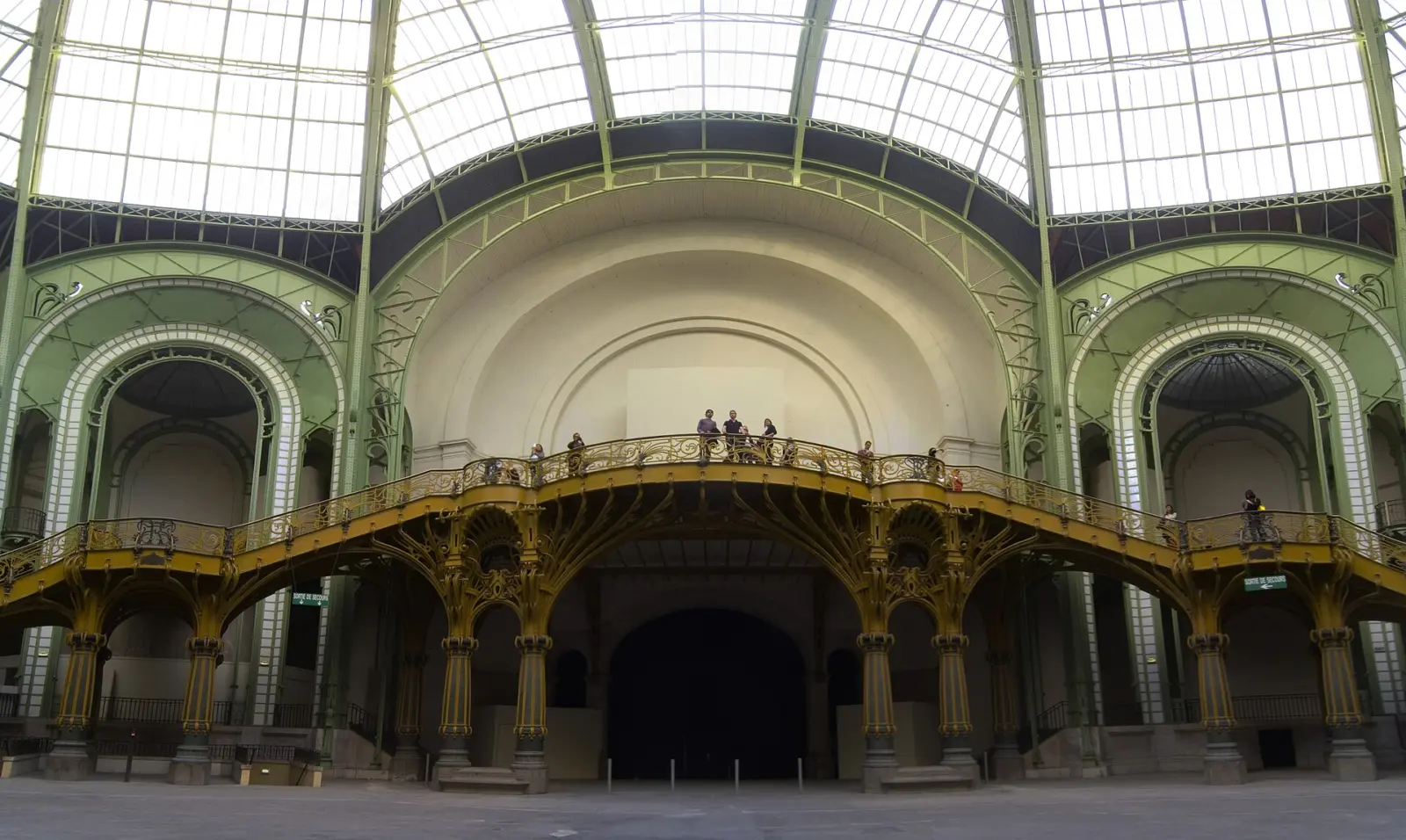
Paris Photo was established in 1997 by Rik Gadella and has since grown into a major event on the international art calendar. The fair was initially held at the Carrousel du Louvre and later moved to the Grand Palais, a historic exhibition hall in the heart of Paris. Over the years, Paris Photo has expanded its scope to include not only vintage and modern photography but also contemporary works, video, and installations. The fair is known for its rigorous selection process, with galleries required to meet high standards of quality and authenticity. This has contributed to its reputation as a trusted venue for collectors and institutions.
The cultural significance of Paris Photo lies in its role as a platform for dialogue and discovery. It brings together galleries from Europe, the Americas, Asia, and Africa, offering a global perspective on photographic practices. The fair also features curated sections, such as the "Solo" and "Duo" shows, which highlight individual artists or pairings, and the "Elles" section, dedicated to female photographers. These initiatives reflect the fair's commitment to promoting diversity and innovation within the field. Additionally, Paris Photo hosts the Paris Photo–Aperture Foundation PhotoBook Awards, recognising excellence in photobook publishing, and the Curiosa sector, which focuses on erotic and intimate photography. These elements underscore the fair's cultural relevance and its contribution to the photography ecosystem.
For collectors, Paris Photo offers a unique opportunity to view and acquire works from leading galleries in a single location. The fair's emphasis on quality and authenticity provides a level of confidence for buyers, while the presence of museum curators, critics, and artists fosters a vibrant intellectual atmosphere. The fair also serves as an educational resource, with talks, panel discussions, and book signings that explore the history and future of photography. This combination of commerce and culture makes Paris Photo a vital event for anyone interested in the photographic arts.
Planning Your Visit
Paris Photo typically takes place in November, but exact dates vary each year. To plan your visit, check the official website for the current schedule, as dates and venue details may change. The fair is usually held at the Grand Palais in Paris, a historic building that itself is worth exploring. However, due to renovations, the event may be held at alternative venues, so verify the location on the official website before making travel arrangements.
Tickets for Paris Photo are generally available for purchase online in advance or at the door. Prices can change; see the current admission prices on the official website before your visit. Standard admission typically grants access to the fair for one day, while other ticket options may include multi-day passes or catalogues. Availability and access conditions vary; check the official website or your chosen provider for current details. It is advisable to purchase tickets in advance to avoid potential queues, especially during peak times such as weekends.
When planning your visit, consider the duration of your stay. The fair is large, with numerous galleries and exhibitions, so allocating at least a full day is recommended. The official website may provide a floor plan and a list of exhibitors, which can help you prioritise your interests. Additionally, the fair often coincides with other photography events in Paris, such as exhibitions at museums and galleries, so you may wish to coordinate your visit to take advantage of the broader cultural offerings.
Accessibility and facilities at the venue can vary; check the official website for information on accessibility, cloakroom services, and dining options. The fair may offer guided visit options, where offered, are listed on the official website. These guided visits can provide valuable insights into the works on display and the fair's organisation. However, availability and access conditions vary; check the official website or your chosen provider for current details.
Getting There
Paris Photo is typically held at the Grand Palais, located in the 8th arrondissement of Paris. The Grand Palais is well-served by public transport. The closest metro stations are Champs-Élysées–Clemenceau (lines 1 and 13) and Franklin D. Roosevelt (lines 1 and 9). Several bus lines also stop nearby. If you are arriving by train, the Grand Palais is a short taxi or metro ride from major stations such as Gare du Nord, Gare de l'Est, and Gare Saint-Lazare. For those driving, parking in the area is limited and can be expensive; public transport is generally recommended.
If the fair is held at an alternative venue, check the official website for specific transport instructions. The venue's official website or the fair's website should provide detailed directions and accessibility information. It is advisable to plan your journey in advance, especially if you are attending during rush hour or on weekends.
Booking Cultural Experiences
In addition to the fair itself, Paris offers a wealth of cultural experiences related to photography. Many museums and galleries in the city hold photography exhibitions, and the official websites of these institutions provide information on current and upcoming shows. For example, the Musée de l'Orangerie, the Centre Pompidou, and the Maison Européenne de la Photographie often feature photography exhibitions. Booking tickets for these museums can typically be done online through their official websites. Availability and access conditions vary; check the official website or your chosen provider for current details.
Guided visit options, where offered, are listed on the official website of Paris Photo. These may include tours of the fair led by experts, providing context and insights into the works on display. Such tours can enhance your understanding of the photography market and the artistic trends represented. However, these options may be limited and require advance booking. Check the official website for details on guided visits and any associated costs.
For collectors interested in building their collections, Paris Photo offers a platform to connect with galleries and artists. The fair's official website may provide information on how to register as a collector or how to access collector services. Check the current conditions on the official website for any registration requirements or fees. Additionally, the fair often hosts talks and panel discussions on collecting photography, which can be valuable for both new and experienced collectors.
When planning cultural experiences, consider the Paris Museum Pass, which provides access to many museums and monuments in Paris. The pass can be purchased online or at various locations. Check the official website for current prices and conditions. However, note that the pass may not include special exhibitions or events at Paris Photo. Always verify what is included before purchasing.
Practical Visitor Tips and Nearby Cultural Recommendations
When visiting Paris Photo, wear comfortable shoes as you will likely spend several hours walking. The venue can be crowded, especially during peak times, so plan your visit accordingly. Check the official visitor rules before taking photographs. The fair may have designated areas for photography, but rules can vary; always respect the guidelines.
Nearby cultural attractions include the Petit Palais, the Musée de l'Orangerie, and the Champs-Élysées. These are within walking distance or a short metro ride from the Grand Palais. The Petit Palais houses a fine collection of art, including works by Monet, Cézanne, and Rodin, and often hosts temporary exhibitions. The Musée de l'Orangerie is famous for its Monet water lilies murals and also features temporary exhibitions. Both museums have official websites with information on current exhibitions and admission conditions.
For those interested in photography, the Maison Européenne de la Photographie (MEP) is a dedicated photography museum in the Marais district. It hosts exhibitions of contemporary photography and has a library and a café. Check the MEP's official website for current exhibitions and opening hours. Another option is the Jeu de Paume, which focuses on modern and contemporary photography and video art. Its official website provides details on exhibitions and events.
When dining, the area around the Grand Palais offers a range of restaurants and cafés, from casual to fine dining. It is advisable to make reservations for popular restaurants, especially during the fair. However, specific restaurant recommendations are beyond the scope of this guide; consult reliable sources for current options.
For accommodation, Paris offers a wide range of hotels and apartments. It is recommended to book early, as the fair attracts many visitors. The official Paris Photo website may list partner hotels, but always verify the details and book through official channels.
Conclusion
Paris Photo is a major cultural event that offers collectors and enthusiasts a unique opportunity to engage with the world of photography. By planning your visit carefully and using official sources for time-sensitive information, you can make the most of your experience. Remember to check the official website for current dates, ticket prices, and opening hours, as these details can change. Whether you are a seasoned collector or a curious traveller, Paris Photo provides a rich and rewarding cultural experience in one of the world's most vibrant cities.