Château de Fontainebleau: A Complete Cultural Visit Guide
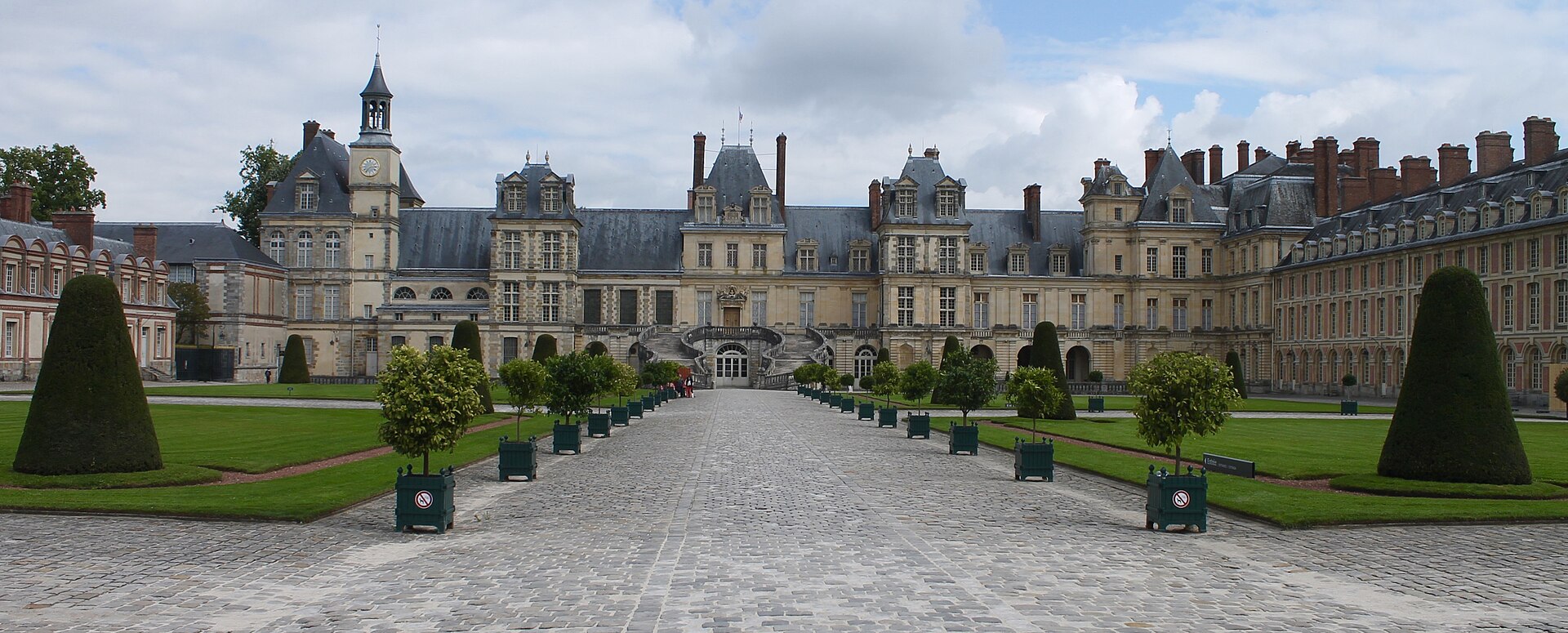
Château de Fontainebleau, 2013 (26) - Cour du Cheval blanc panoramique — DraceaneDraceane / Wikimedia CommonsCC BY-SA 4.0
Introduction
Château de Fontainebleau stands as one of France's most significant royal and imperial residences, a UNESCO World Heritage site that has witnessed over eight centuries of history. Located in the town of Fontainebleau, about 55 kilometres southeast of Paris, this sprawling palace offers visitors a journey through the Renaissance, the Grand Siècle, and the Napoleonic era. Unlike the more crowded palace at Versailles, Fontainebleau often provides a quieter, more reflective experience, allowing travellers to appreciate its architecture, art collections, and expansive gardens at a leisurely pace. This guide aims to provide culturally curious travellers with accurate, practical information to plan a meaningful visit, while emphasising the importance of checking official sources for time-sensitive details.
Fontainebleau's origins date back to the 12th century when a hunting lodge stood on the site. It was François I who, in the 16th century, transformed the medieval castle into a Renaissance palace, inviting Italian artists such as Rosso Fiorentino and Francesco Primaticcio to create the celebrated School of Fontainebleau, which left an indelible mark on French art. Subsequent monarchs, including Henri IV, Louis XIII, Louis XIV, and Louis XV, each added their own touches, resulting in a rich palimpsest of architectural styles. During the French Revolution, the château was spared from destruction and later became a favourite residence of Napoleon Bonaparte, who undertook significant renovations and added furnishings that remain today. The palace also served as a residence for later rulers, including Louis-Philippe and Napoleon III. Its cultural significance lies not only in its royal heritage but also in its role as a repository of decorative arts, with rooms such as the Galerie François I, the Ballroom, and the Empress's Bedchamber offering glimpses into the lives of those who shaped France. The surrounding forest, once a royal hunting ground, adds to the estate's historical ambiance and provides opportunities for outdoor exploration.
Planning Your Visit
Before visiting Château de Fontainebleau, it is essential to check the official website for current opening hours, as these can vary by season and day. The château typically offers standard admission tickets that grant access to the main state apartments and temporary exhibitions, while guided tour options may be available for those seeking deeper insights. Availability and access conditions vary; check the official website or your chosen provider for current details. It is advisable to plan your visit in advance, especially during peak tourist seasons, to ensure a smooth experience. The official website provides comprehensive information on what is currently accessible, including any areas that may be closed for restoration. Visitors should note that the château is a historic monument, and some sections may have limited accessibility; details can be found on the official site. For a well-rounded experience, consider allocating at least half a day to explore the interiors, the gardens, and the surrounding park. Keep in mind that prices can change; see the current admission prices on the official website before your visit. Additionally, check the official visitor rules before taking photographs, as policies may apply in certain areas.
Château de Fontainebleau is easily accessible from Paris by public transport. The most straightforward option is to take a train from Paris Gare de Lyon to Fontainebleau-Avon station, which typically takes around 40 minutes. From the station, local buses or a short taxi ride can bring you to the château. Alternatively, visitors can drive from Paris via the A6 motorway, with the journey taking approximately one hour, though parking near the château can be limited. For those preferring organised transport, some tour operators offer day trips from Paris, but it is important to verify the details and credentials of any provider. Once in Fontainebleau, the château is a short walk from the town centre, and signage is generally clear. It is recommended to check current transport schedules and any potential disruptions on the respective transport authority websites before travelling, as these are time-sensitive details that can change.
Booking Cultural Experiences
Availability and access conditions can change; check the official website for current details before your visit.
Practical Visitor Tips and Nearby Cultural Recommendations
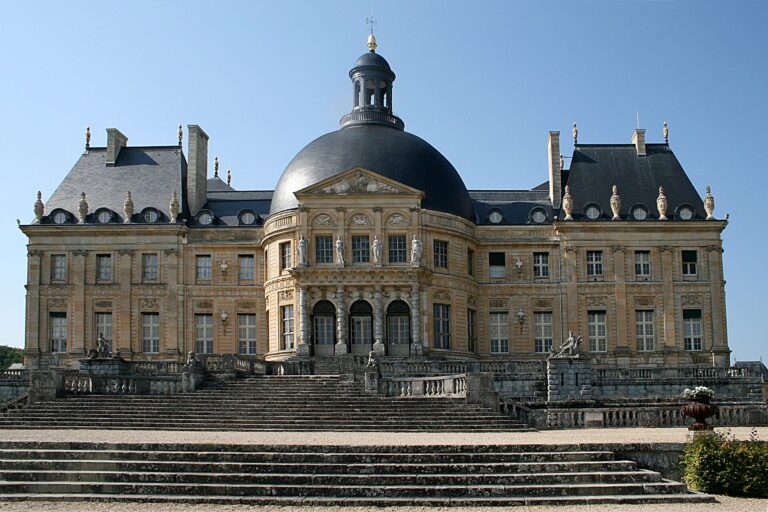
When planning your visit, keep in mind that the château can be less crowded on weekdays and outside French school holidays, offering a more peaceful experience. Wear comfortable shoes, as the estate is vast and involves considerable walking. The gardens and park are free to explore in most areas, but check the current admission conditions on the official website for any specific areas. Nearby, the town of Fontainebleau itself is worth exploring, with its charming streets and the historic church of Saint-Louis. The Forest of Fontainebleau, a former royal hunting ground, is a paradise for nature lovers and offers marked trails for hiking and rock climbing. For art enthusiasts, the nearby town of Barbizon, associated with the 19th-century landscape painters, is a short drive away and hosts the Musée départemental de l'École de Barbizon. Additionally, the Château de Vaux-le-Vicomte, a masterpiece of 17th-century architecture that inspired Versailles, is within reasonable distance and makes for a rewarding side trip. As always, verify opening hours and admission details on the respective official websites, as these are subject to change.
Conclusion
Château de Fontainebleau offers a rich and layered cultural experience that rewards careful planning. By consulting official sources for up-to-date information on opening hours, prices, and available experiences, travellers can ensure a smooth and enriching visit. The palace's historical significance, combined with its artistic treasures and serene surroundings, makes it a worthwhile destination for anyone interested in French heritage. Whether you explore independently or join a guided tour, the château provides a window into centuries of royal and imperial life, away from the crowds of more frequented sites. Remember to check the official website before your visit for any time-sensitive details, and enjoy the timeless beauty of this remarkable monument.
Tell us about your destination, dates and cultural interests. SmartMuseum can help prepare a refined request with selected cultural travel partners. Availability, access conditions and pricing vary by provider and date.
Updated: October 30, 2026
Independent editorial — no paid rankings
SmartMuseum premium cultural guides
Scroll to Top
Audience measurement
With your consent, SmartMuseum measures visits to its pages and clicks to its partners (/go/ links) with Google Analytics 4.
Learn more
Google receives technical data for this (pages viewed, device, browser, approximate country) and a cookie is stored for up to 13 months. Nothing is used for advertising. You can change your mind at any time with the “Cookies” link at the bottom of the page.