Introduction: The Cultural Significance of Reims and Its Champagne Heritage
Reims, a city in the Grand Est region of France, holds a unique place in European history and culture. Known as the coronation city of French kings, it is also the heart of the Champagne wine region, a landscape shaped by centuries of viticulture and trade. The cultural heritage of Reims and its surrounding champagne vineyards is recognised globally, with the Cathedral of Notre-Dame de Reims, the Palace of Tau, and the former Abbey of Saint-Remi inscribed as UNESCO World Heritage sites. The champagne region itself, with its historic vineyards, houses, and cellars, is also a UNESCO World Heritage site, reflecting the intertwined relationship between the city and the beverage that bears its name. This guide offers a factual and respectful overview for culturally curious travellers who wish to understand and experience this heritage, with practical advice on planning a visit, getting there, and engaging with the region's cultural offerings.
Section 1: Historical and Cultural Context – Why This Place Matters
The history of Reims is deeply connected to the French monarchy. From the 11th century until the 19th century, most French kings were crowned in the Cathedral of Notre-Dame de Reims, a masterpiece of Gothic architecture. The cathedral, along with the adjacent Palace of Tau, served as the spiritual and political centre of the kingdom. The Abbey of Saint-Remi, which houses the relics of Saint Remigius, the bishop who baptised Clovis, the first Frankish king, further underscores the city's religious and historical importance. These monuments are not only architectural marvels but also symbols of the nation's identity.
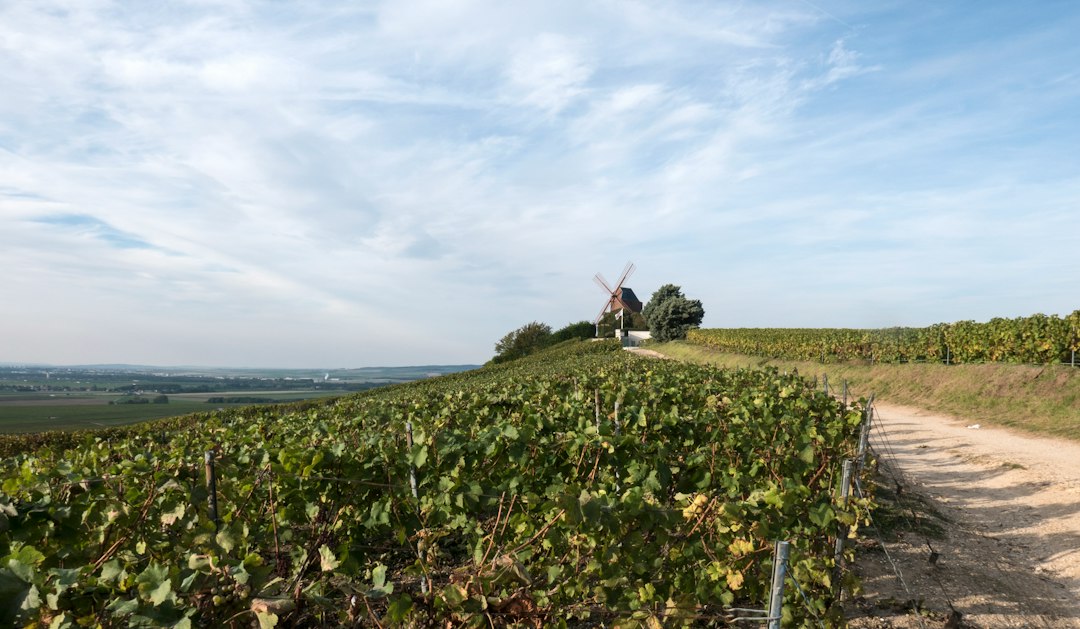
Beyond its royal connections, Reims is the commercial and cultural capital of the Champagne wine region. The production of champagne, a sparkling wine made exclusively in this region, has shaped the local economy and society for centuries. The historic champagne houses, many of which are located in Reims and nearby Épernay, have developed extensive cellars carved into the chalk subsoil. These cellars, along with the vineyards and production facilities, were inscribed on the UNESCO World Heritage list in 2015 as part of the "Champagne Hillsides, Houses and Cellars" site. This recognition highlights the cultural landscape created by the champagne industry, including the unique architectural and technological heritage of the cellars and the traditional methods of viticulture.
Understanding this dual heritage—royal and viticultural—is essential for any visitor seeking an authentic cultural experience in Reims. The city's museums, such as the Saint-Remi Museum, offer further insights into its artistic and historical legacy. The cultural significance of Reims thus lies in its ability to tell the story of France through its monuments and its most famous export.
Section 2: Planning Your Visit – What Is Officially Available and What to Expect
Planning a cultural visit to Reims requires some preparation to make the most of the available offerings. The city is home to several key institutions and sites, each with its own visitor policies. For the Cathedral of Notre-Dame de Reims, check the official website for current visiting conditions and guided tour options. The Palace of Tau, which houses the cathedral treasury, is closed for major renovation work; check its official website for the reopening and visiting conditions. The Abbey of Saint-Remi, now a museum, also offers standard admission and guided tour options.
Availability and access conditions can change; check the official website for current details before your visit.
When planning your itinerary, consider that Reims is a compact city, and many of its cultural sites are within walking distance of each other. However, visiting the surrounding vineyards and smaller champagne producers may require additional transport. The tourist office in Reims can provide maps and brochures, and their website lists current events and exhibitions. Always verify current opening hours and any temporary closures on the official websites of the sites you plan to visit, as these can change seasonally.
Section 3: Getting There – Practical Transport Options
Reims is well-connected to major European cities by rail and road. The city has a TGV station, Gare de Champagne-Ardenne TGV, located outside the city centre, with direct high-speed trains from Paris (approximately 45 minutes), Lille, and other cities. From the TGV station, the tram and TER regional trains connect to the city centre. Alternatively, Reims's main railway station, Gare de Reims, is located in the city centre and offers regional train services. By car, Reims is accessible via the A4 and A26 motorways, with parking available in the city centre, though it can be busy during peak times.
For travellers arriving by air, the nearest major airport is Paris Charles de Gaulle, from which you can take a TGV directly to Reims. Another option is Paris Vatry Airport, which is smaller and serves some low-cost carriers, but connections to Reims may require a bus or taxi. Once in Reims, the city has a public bus network and a tram line, and many sites are accessible on foot or by bicycle. Taxis and ride-sharing services are also available. When planning your journey, check the current schedules and ticket prices on the official transport websites, as these can vary.
Section 4: Booking Cultural Experiences – Official Ticketing, Guided Tours, and Special Programmes
When it comes to booking cultural experiences in Reims, it is important to rely on official sources to ensure accuracy and avoid disappointment. For the cathedral, check the official website for guided tour options and booking conditions. The Abbey of Saint-Remi also offers guided tour options, where offered, are listed on the official website. For champagne house tours, each house has its own booking system, typically accessible via their official websites. These tours often include a visit to the cellars and a tasting, but the specifics vary by house. Some houses may offer special programmes such as thematic tours or workshops, which are usually announced on their websites.
It is worth noting that availability and access conditions vary; check the official website or your chosen provider for current details. While some experiences may be popular and require advance booking, others may have more flexible arrangements. The Reims tourist office website can be a useful starting point for discovering what is officially available, as it often lists cultural events and exhibitions. Additionally, the UNESCO World Heritage status of the region means that some sites may offer educational programmes or special access for researchers, but these are not typically aimed at general visitors.
For those interested in experiencing the cultural heritage of champagne, guided visit options, where offered, are listed on the official website of each institution. It is advisable to read the descriptions carefully to understand what is included and any restrictions, such as age limits for tastings or accessibility considerations for cellar tours. Remember that prices and schedules can change, so always consult the official website before making arrangements.
Section 5: Practical Visitor Tips and Nearby Cultural Recommendations
To make the most of your cultural visit to Reims, consider the following practical tips. First, wear comfortable shoes, as exploring the historic centre and the champagne cellars involves a fair amount of walking, sometimes on uneven surfaces. The cellars can be cool and damp, so a light jacket may be useful. When visiting religious sites, respectful attire is appreciated. Photography may be restricted in certain areas, so look for signs or ask staff.
For a deeper cultural experience, explore beyond the main sites. The Museum of Fine Arts in Reims has been closed since September 2019 for renovation and extension work, with reopening planned for 2027. The Saint-Remi Museum, located in the former abbey, focuses on the history and archaeology of the region. The city also has several parks and gardens, such as the Parc de Champagne, which offers a pleasant stroll. Nearby, the city of Épernay is another important centre for champagne, with the Avenue de Champagne lined with grand houses and cellars. The region also boasts picturesque villages and vineyards that can be explored by car or bicycle, though check local conditions and opening times.
For those interested in the broader history of the region, the nearby city of Châlons-en-Champagne offers additional cultural sites, including the Cathedral of Saint-Étienne. However, always verify current opening status and hours on the official websites, as smaller sites may have limited schedules. When planning day trips, consider public transport options or organised tours, but be aware that availability may vary. The tourist office can provide advice on current opportunities.
Conclusion: Balanced Advice for the Culturally Curious Traveller
Reims and its champagne heritage offer a rich tapestry of history, architecture, and viticulture that rewards careful exploration. By planning ahead and relying on official sources for time-sensitive information such as opening hours, prices, and tour availability, you can ensure a smooth and enriching visit. The city's royal past and its living champagne culture are best appreciated with a respectful and curious mindset. Whether you are interested in Gothic cathedrals, the intricacies of sparkling wine production, or simply the charm of a historic French city, Reims provides a genuine and memorable cultural experience. Remember to check the official websites for all practical details before you go, and allow yourself time to absorb the atmosphere of this remarkable place.