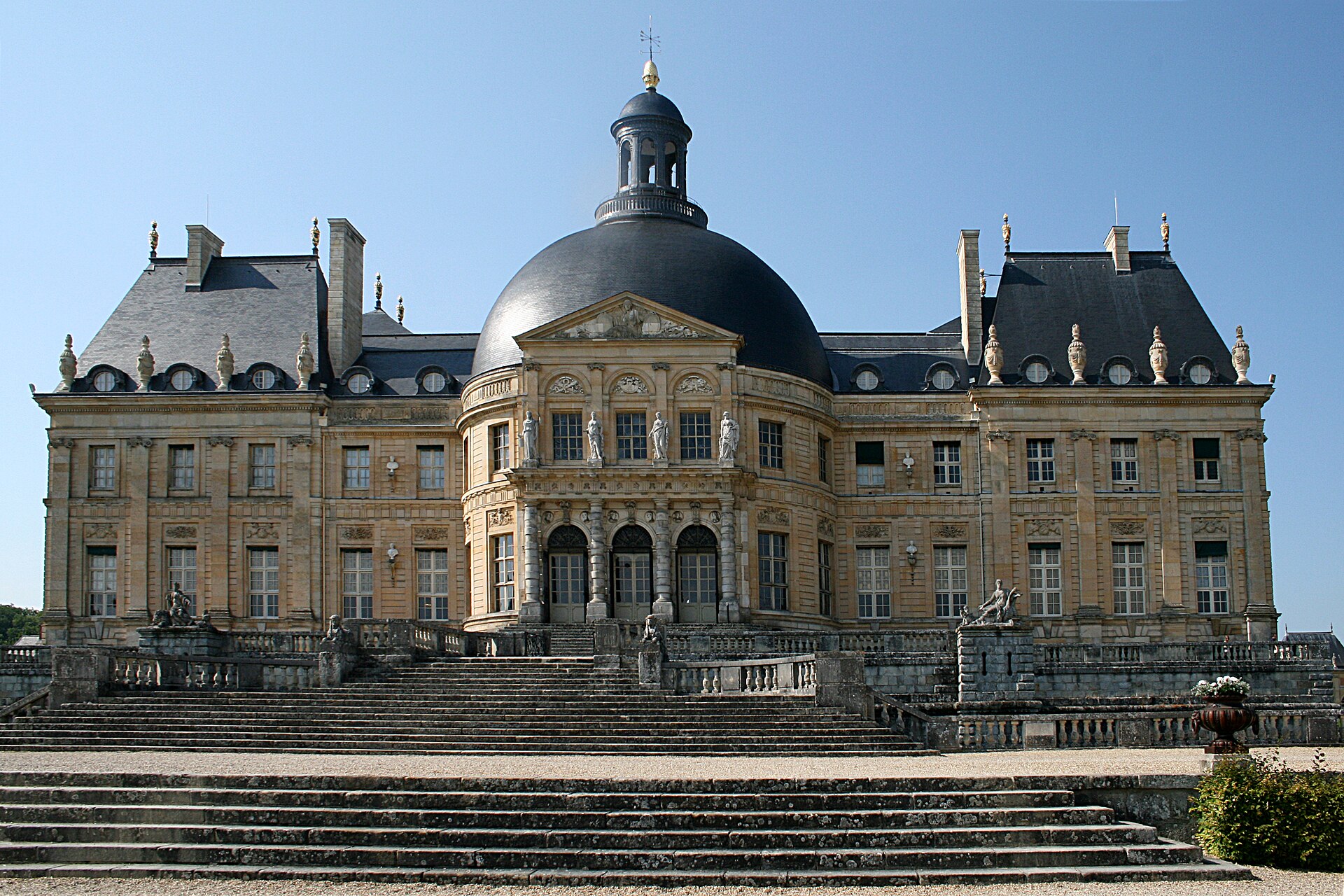
Château Vaux-le-Vicomte, a masterpiece of French Baroque architecture, stands as a testament to the ambition and artistic vision of the 17th century. Built for Nicolas Fouquet, Louis XIV's superintendent of finances, this château and its gardens set a new standard for grandeur that would later influence the construction of Versailles. For culturally curious travellers, a visit to Vaux-le-Vicomte offers an immersive journey into the world of French aristocracy, landscape design, and the dramatic politics of the Sun King's era. This guide provides a comprehensive overview of the château's cultural significance, practical planning advice, and tips to enhance your visit, ensuring you experience the magic of this historic estate with confidence.
Historical and Cultural Context
Vaux-le-Vicomte is more than just a beautiful building; it is a carefully orchestrated statement of power, taste, and intellect. Commissioned in 1653 by Nicolas Fouquet, the estate brought together the finest talents of the age: architect Louis Le Vau, painter Charles Le Brun, and landscape designer André Le Nôtre. Together, they created an integrated work of art where architecture, interior decoration, and gardens form a harmonious whole.
The château is a prime example of the Louis XIV style, characterized by its majestic symmetry, ornate interiors, and the seamless flow between indoor and outdoor spaces. The oval Grand Salon beneath the central dome is the heart of the château; the ceiling painting Le Brun designed for the dome was never carried out, as work stopped when Fouquet was arrested in 1661. The gardens, designed by Le Nôtre, are a triumph of French formal garden design, with parterres, fountains, and vistas that extend to the horizon, culminating in the monumental Grand Canal.
However, the château's history is also a cautionary tale of ambition and royal jealousy. In 1661, the magnificent fête hosted by Fouquet for the king ultimately led to his downfall, as Louis XIV, suspicious of his minister's wealth and power, had him arrested. The château was confiscated, and its contents dispersed. Louis XIV later employed Le Vau, Le Brun and Le Nôtre on his own projects, most famously at Versailles.
Today, Vaux-le-Vicomte is privately owned and has been meticulously restored to its former glory. It stands as a living museum of 17th-century French art and culture, offering visitors a unique glimpse into the world that shaped the age of absolutism. The estate's cultural significance lies in its ability to transport visitors back in time, allowing them to appreciate the aesthetic ideals and social dynamics of a pivotal era in French history.
Planning Your Visit
Before setting out, it is essential to gather current information about opening times, admission prices, and any special conditions. The château typically offers standard admission and guided tour options, but availability and access conditions can vary. Therefore, always verify the latest details on the official website or through your chosen provider.
To make the most of your visit, consider arriving early to explore the château and gardens at a leisurely pace. The estate is vast, and a comprehensive visit can easily take half a day or more. Wear comfortable shoes, as you will likely be walking extensively, both on the gravel paths of the gardens and the polished parquet of the interiors.
For those interested in a deeper understanding, guided tour options, where offered, are listed on the official website and can enhance your appreciation of the site.
Remember that the château is a popular destination, especially during peak seasons. Check the official website for current opening hours, seasonal variations and ticketing conditions.
Getting There
Vaux-le-Vicomte is located in the Seine-et-Marne department, approximately 50 kilometres southeast of Paris. The most convenient way to reach the château is by car, with easy access from the A5 motorway. Free parking is available on site.
For those relying on public transport, there is a direct train (line R) from Paris Gare de Lyon to Melun, taking about 25 minutes, followed by a taxi or the shuttle from Melun station listed on the château's official website. Check the official website for current connections.
Alternatively, many visitors opt for organized excursions that include transport from Paris. These often provide a hassle-free experience, combining comfortable travel with the flexibility of exploring at your own pace. Availability and prices for such services vary by provider and date.
Booking Cultural Experiences
Beyond standard admission, Vaux-le-Vicomte offers a range of cultural experiences that deepen your connection to the estate. The most notable were the 2026 “Candlelit Evenings”: according to the château's official website, they took place every Saturday from 16 May to 26 September, when the château and gardens were lit by thousands of candles. The dates of the next season will be announced on the official website. Check the official website for this season's dates and booking conditions.
Guided visits are another excellent way to explore the château with expert commentary. These tours may be thematic, focusing on architecture, gardens, or the history of the Fouquet family. Availability and access conditions for guided tours vary; check the official website for current offerings.
For a more immersive experience, the estate occasionally hosts historical reenactments, exhibitions, and family-friendly activities. These are typically announced on the official website, so be sure to check for special events during your visit.
When booking any cultural experience, it is important to note that prices and availability vary by provider and date. Always verify current details on the official website to ensure a smooth experience.
Practical Visitor Tips and Nearby Cultural Recommendations
To make your visit to Vaux-le-Vicomte as enjoyable as possible, consider the following practical tips:
- Check the weather forecast and dress accordingly, as much of the visit is outdoors.
- Check the official visitor rules before taking photographs inside the château.
- The estate has an on-site restaurant; check the official website for its opening times.
- If you have mobility concerns, note that the château has some accessibility limitations; check the official website for details.
- Allow time to visit the gift shop, which offers gifts and souvenirs.
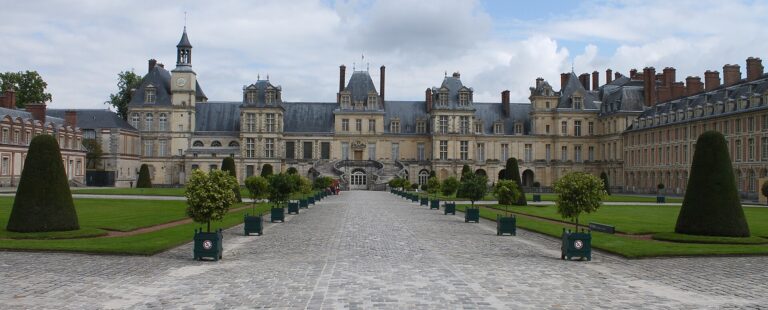
In the surrounding region, there are other cultural sites worth exploring. The nearby town of Melun has a rich history, including the Collegiate Church of Notre-Dame. Further afield, the Palace of Versailles is an obvious but worthwhile complement to Vaux-le-Vicomte, offering a larger-scale comparison. The Château de Fontainebleau, another royal residence, is also within a reasonable distance and provides additional insight into French royal history.
Conclusion
Château Vaux-le-Vicomte is an essential destination for anyone interested in French art, history, and landscape design. Its cultural significance is profound, offering a window into the opulence and intrigue of the 17th century. By planning ahead and verifying current details, you can ensure a seamless and enriching visit. Whether you are drawn by the architectural brilliance, the artistic treasures, or the romantic gardens, Vaux-le-Vicomte promises an unforgettable experience that will deepen your appreciation for France's cultural heritage.