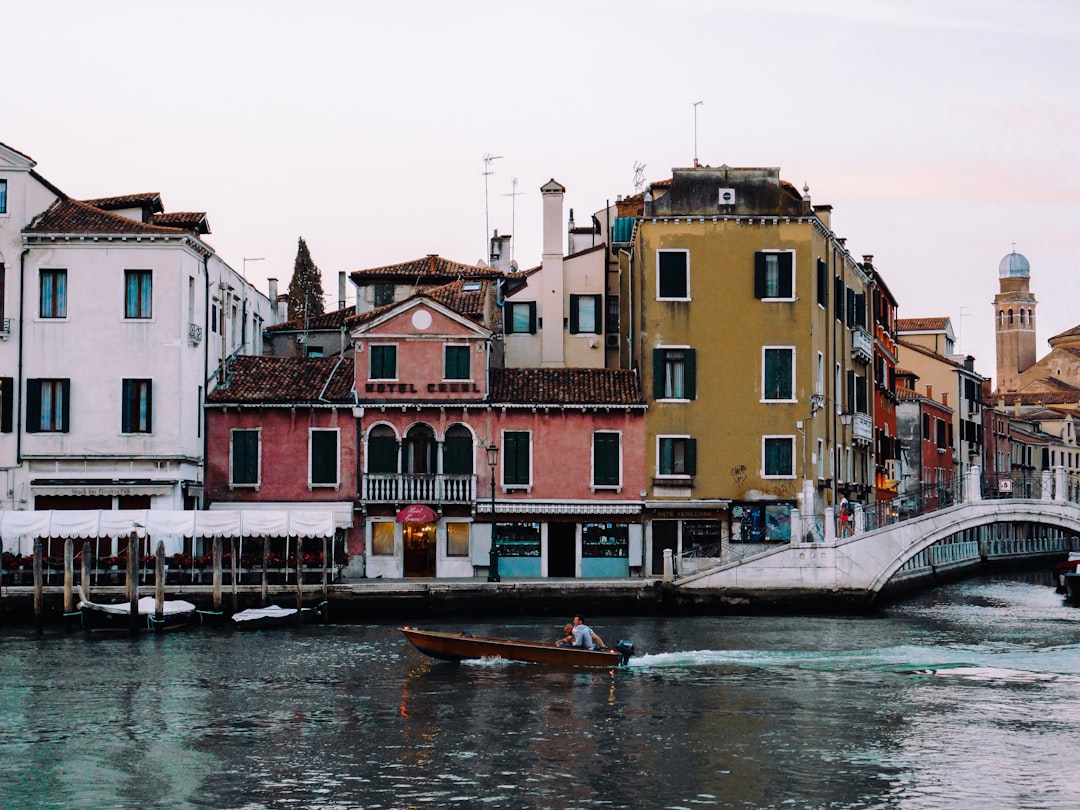
Venice rose as a maritime republic, its wealth fuelling a golden age of art from the 14th to the 18th century. The Venetian School—Titian, Tintoretto, Veronese, and Bellini—developed a distinctive style characterised by rich colour and sensuous light. The city’s unique lagoon setting inspired artists and architects to create masterpieces like the Doge’s Palace, the Rialto Bridge, and the Basilica di Santa Maria della Salute. Today, Venice remains a crucible of creativity, hosting the Venice Biennale (art and architecture) and the Venice Film Festival, while its historic churches and scuole (confraternity buildings) house treasures by Carpaccio, Giorgione, and Canaletto. The preservation of this fragile city—threatened by rising waters and mass tourism—adds urgency to responsible cultural travel.
Planning Your Visit
Venice is compact but crowded, so advance planning is essential. The city is divided into six sestieri (districts): San Marco, Castello, Cannaregio, Dorsoduro, San Polo, and Santa Croce. Major cultural sites are concentrated in San Marco and Dorsoduro. To avoid queues, consider visiting during shoulder seasons (April–May, September–October). Many museums and churches offer timed-entry tickets. Always check current opening hours on the official website, as they vary by season and for special events. The Venice Card (a city pass) may offer combined access to multiple museums and public transport; compare options on the official tourism site. Be aware that during high water (acqua alta) some sites may close temporarily.
Getting There
Venice is accessible by train, plane, car (parking on the mainland), or cruise ship. The main airport, Marco Polo (VCE), connects to the city by water bus (Alilaguna) or water taxi. From Venezia Santa Lucia train station, you can walk or take a vaporetto (water bus) to your accommodation. For a seamless arrival, private transfer services may be available through selected travel partners. 🚗 Arrange Your Private Transfer Water taxis are the fastest but most expensive option; vaporettos are cheaper and offer scenic routes. Once in Venice, walking is the best way to discover hidden courtyards and canals. The city is car-free, so all transport is by foot or boat.
Booking Cultural Experiences
Official ticketing for major museums (like the Doge’s Palace, Correr Museum, and the Peggy Guggenheim Collection) is available on their respective websites. Guided visit options, where offered, are listed on the official website. For the Venice Biennale (held in odd-numbered years for art, even for architecture), tickets can be purchased online in advance. Many historic churches (e.g., Santa Maria Gloriosa dei Frari, San Zaccaria) charge a small admission fee, often combined with a Chorus Pass. Special programmes such as after-hours visits or curator talks may be offered periodically; check the institution’s news section. Always verify current details on the partner booking page or official site.
Practical Visitor Tips and Nearby Cultural Recommendations
Availability and access conditions can change; check the official website for current details before your visit.
Conclusion
Venice rewards the thoughtful traveller who takes time to look beyond the postcard views. Its art and culture are woven into the fabric of daily life—from a Renaissance altarpiece in a quiet parish church to a provocative installation in a palazzo. By planning ahead and respecting local customs, you can enjoy an authentic cultural experience that honours Venice’s past and supports its future. Remember that conditions change: always verify opening hours, admission prices, and event schedules on official websites before your visit. Buon viaggio!
Tell us about your destination, dates and cultural interests. SmartMuseum can help prepare a refined request with selected cultural travel partners. Availability, access conditions and pricing vary by provider and date.