Introduction: Mozart, Salzburg, and the Festival Spirit
Salzburg, the city of Mozart's birth, has long been a pilgrimage site for lovers of classical music. The Salzburg Festival, founded in 1920, transformed this Alpine city into one of the world's most important summer destinations for opera, theatre, and concertgoers. At the heart of the festival's identity is the music of Wolfgang Amadeus Mozart, whose operas are a recurring and central feature of the programme. Attending a Mozart opera during the Salzburg Festival is not just a performance; it is an encounter with a living cultural tradition in the very city that shaped the composer. This guide offers culturally curious travellers a factual, practical overview of what to expect, how to plan, and how to make the most of a visit.
Historical and Cultural Context: Why This Experience Matters
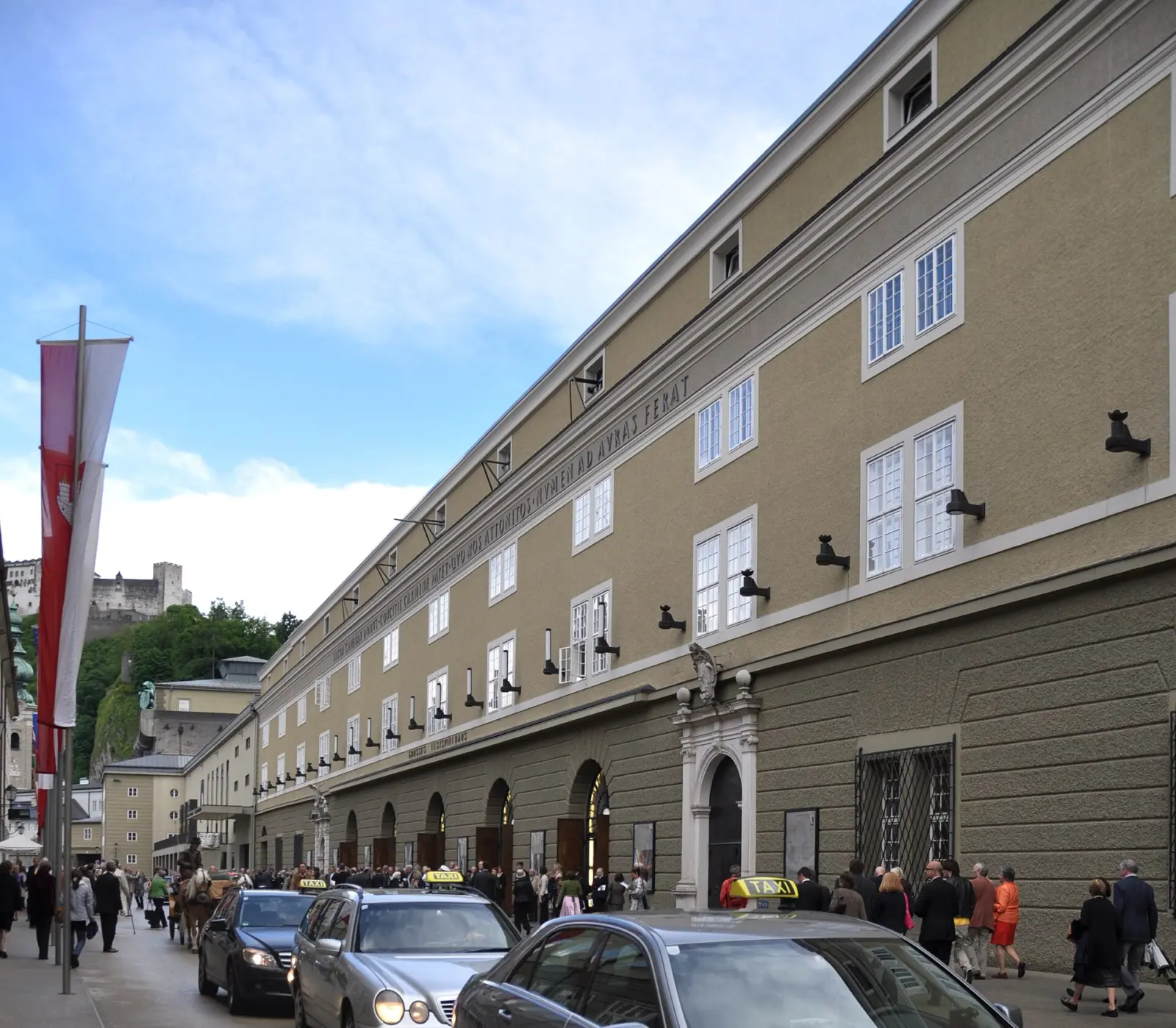
The Salzburg Festival was established by Hugo von Hofmannsthal, Max Reinhardt, and Richard Strauss as a statement of European cultural renewal after the First World War. From its early years, Mozart's operas were central to the festival's mission. The city's connection to Mozart is profound: he was born in Salzburg in 1756, and his family home on the Getreidegasse is now a museum. The festival's venues, including the Haus für Mozart and the Felsenreitschule, are historic spaces that have hosted legendary productions. Over the decades, the festival has premiered new interpretations of Mozart's works and attracted some of the world's finest conductors, singers, and directors. For visitors, a Mozart opera at the Salzburg Festival offers a chance to experience these works in a context steeped in history and artistic ambition. The festival typically runs in July and August, and the programme is announced well in advance. The performances are known for their high production values and interpretive depth, making them a highlight of the European cultural calendar.
Planning Your Visit: What Is Officially Available
Planning a trip to the Salzburg Festival requires attention to detail. The festival's official website is the primary source for the programme, which is usually published several months before the festival begins. Tickets for Mozart operas are often in high demand, and availability can vary greatly from year to year. The festival offers various ticket categories, and standard admission options are listed on the official website. It is advisable to check the website regularly for updates on the programme and ticketing procedures. The festival also typically offers guided tour options, where offered, are listed on the official website. These may provide insights into the festival's history and venues. It is important to note that availability and access conditions vary; check the official website or your chosen provider for current details. Prices can change; see the current admission prices on the official website before your visit. The festival does not generally require reservations for general attendance, but for specific performances, timed-entry tickets may be available. Visitors should also consider the duration of performances and plan accordingly, as Mozart operas can be lengthy. The festival's official website provides detailed information on each production, including cast, creative team, and synopsis, which can help in selecting a performance.
Getting There: Practical Transport Options
Salzburg is well connected by rail and air. The city's main train station, Salzburg Hauptbahnhof, is served by frequent trains from Vienna, Munich, and other European cities. From the station, the historic centre is easily accessible by public transport or on foot. Salzburg Airport (W. A. Mozart Airport) receives flights from various European destinations, and from there, bus and taxi services connect to the city centre. Within Salzburg, public buses and trams are efficient, and many of the festival venues are located in the compact old town, making walking a viable option. Visitors should check current public transport schedules and ticket information on the respective official websites, as these can change. For those driving, parking in the city centre can be limited, and it is advisable to use park-and-ride facilities. The festival's official website may provide additional guidance on transport and accessibility.
Booking Cultural Experiences: Official Ticketing and Programmes
The Salzburg Festival's official ticketing service is the recommended channel for purchasing tickets. The festival typically offers online booking, and it is wise to create an account and monitor the website for sale dates. Standard admission tickets, timed-entry tickets, and guided tour options may be available, subject to current availability. The festival also often provides special programmes such as pre-performance talks or introductions, which are listed on the official website. Availability and access conditions vary; check the official website or your chosen provider for current details. It is important to avoid unofficial resellers, as tickets may not be valid. The festival's website also offers information on accessibility and seating plans. For those interested in deepening their experience, the festival may offer guided visit options, where offered, are listed on the official website. These could include behind-the-scenes looks at the venues, but availability is limited and should be verified. Additionally, the city of Salzburg offers a range of cultural experiences, such as Mozart-related museums and walking tours, which can complement a festival visit. Visitors should consult the official tourism website for details on these options.
Practical Visitor Tips and Nearby Cultural Recommendations
When attending a Mozart opera at the Salzburg Festival, it is advisable to dress comfortably but respectfully, as the festival is a formal occasion for many attendees. Check the official website for any specific dress code or etiquette guidelines. The venues are historic, and some may have limited accessibility; check the official website for details. It is also wise to arrive early to allow time for security checks and to find your seat. The festival takes place in summer, and Salzburg can be warm during the day, but evenings may be cooler, so layering is recommended. Nearby cultural attractions include the Mozarteum, the Mozart Birthplace, and the Mozart Residence, all of which offer insights into the composer's life. The Salzburg Cathedral and the Hohensalzburg Fortress are also significant heritage sites. For those interested in contemporary art, the Museum der Moderne Salzburg is worth a visit. Check current opening hours and admission conditions on the official websites of these institutions. It is also recommended to verify current opening status and any time-sensitive details before your visit.
Conclusion: Balanced Advice for the Culturally Curious Traveller
A visit to the Salzburg Festival for a Mozart opera is a rewarding experience that combines musical excellence with the charm of a historic city. While planning requires effort, the official festival website is a reliable resource for accurate information. Remember that details such as prices, availability, and schedules can change, so always verify on the official website before making arrangements. By approaching the experience with cultural respect and a spirit of curiosity, travellers can enjoy a memorable encounter with Mozart's legacy in Salzburg.