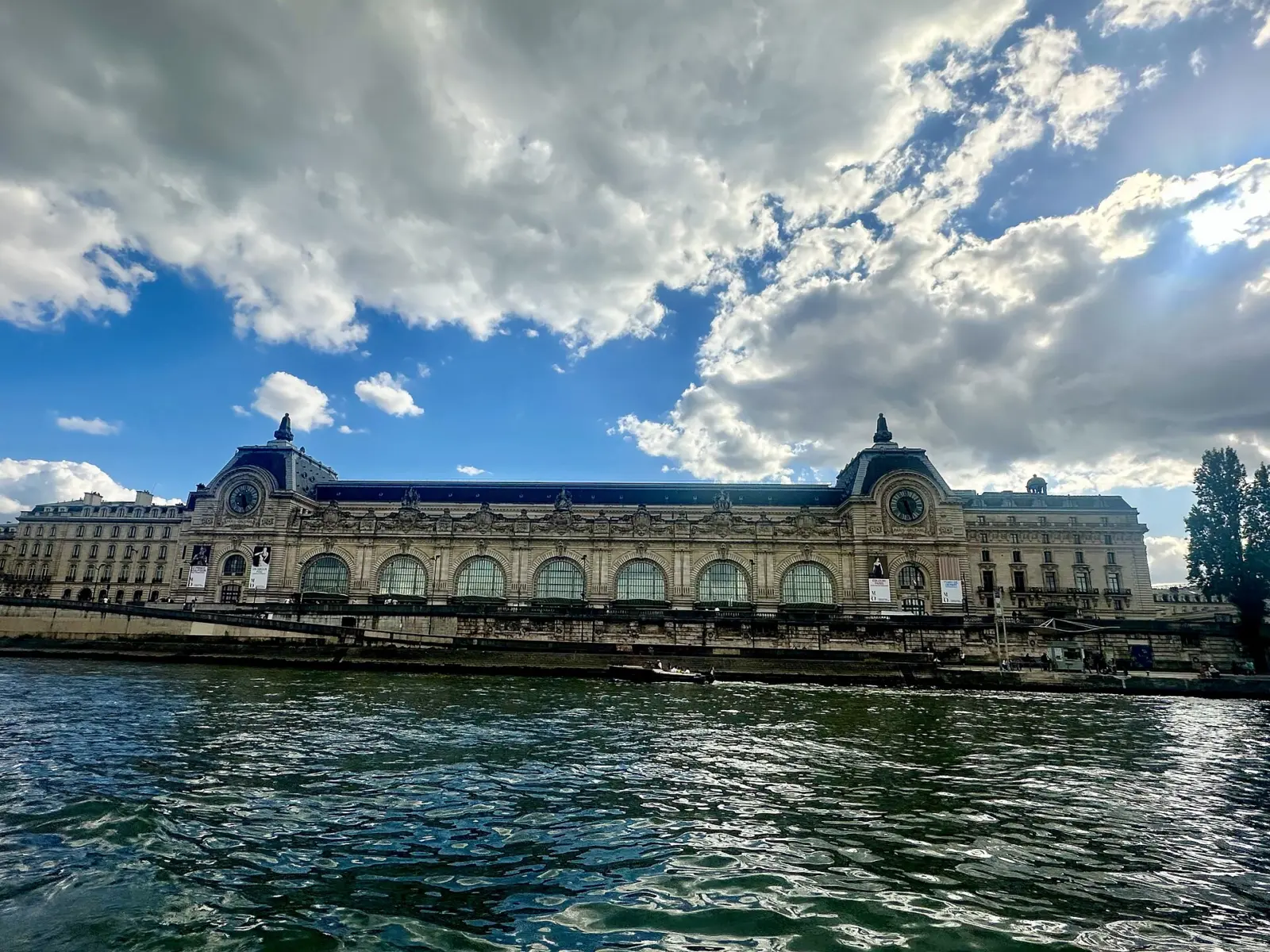
Musée d'Orsay from on the water of the Seine — Richard N HorneRichard N Horne / Wikimedia CommonsCC BY 4.0
Introduction: The Musée d'Orsay After Dark
The Musée d'Orsay is one of the world's most celebrated museums, housed in a magnificent Beaux-Arts railway station on the left bank of the Seine in Paris. Its collection of Impressionist and Post-Impressionist masterpieces draws millions of visitors each year. While daytime visits are popular, an evening visit offers a different rhythm—quieter galleries, a magical atmosphere as the city lights up outside, and the chance to see iconic works with fewer crowds. This guide provides factual, trustworthy information to help you plan a culturally enriching evening at the Musée d'Orsay, with practical details on what is officially available, how to get there, and how to make the most of your time.
The Musée d'Orsay occupies a building that was originally a railway station, the Gare d'Orsay, constructed for the 1900 Exposition Universelle. Designed by architect Victor Laloux, the station was a marvel of its time, with modern amenities and a grand hall that now serves as the museum's central nave. By the 1930s, the station's platforms had become too short for longer trains, and it gradually fell into disuse. After decades of uncertainty, including plans for demolition, the building was classified as a historic monument in 1978. The French government then undertook a major renovation to convert it into a museum, which opened in 1986.
Today, the Musée d'Orsay's collection spans Western art from 1848 to 1914, with particular strengths in Impressionism and Post-Impressionism. It houses works by Monet, Renoir, Van Gogh, Degas, and many others, displayed in a setting that retains the architectural grandeur of the original station. The museum's evening openings are part of its cultural programme, offering visitors the opportunity to explore the collection in a calmer environment. The experience is not just about the art but also about the building itself—its soaring clock faces, the great hall, and the views over the Seine. An evening visit allows you to appreciate both the art and the architecture in a more reflective setting.
Section 2: Planning Your Visit
Before planning an evening visit, it is essential to check the current opening hours on the official Musée d'Orsay website. The museum typically offers evening openings on certain days of the week, but these are subject to change. The official website is the most reliable source for up-to-date information on opening times, admission prices, and any special exhibitions or events.
Standard admission tickets can be purchased online in advance or at the museum, subject to availability. Timed-entry tickets are often recommended to manage visitor flow, especially during peak periods. The museum may also offer guided tour options, where offered, these are listed on the official website. Availability and access conditions vary; check the official website or your chosen provider for current details. It is advisable to book tickets in advance if you plan to visit on an evening opening day, as these sessions can be popular.
When planning your visit, consider that the museum's permanent collection is vast, and an evening visit may not allow time to see everything. Prioritise the works or periods that interest you most. The museum's layout is spread over several levels, so comfortable shoes are recommended. Also, note that some galleries may be closed in the evening, so consult the official website for any notices about gallery closures or limited access.
The Musée d'Orsay is located in the 7th arrondissement of Paris, on the left bank of the Seine, easily accessible by public transport. The museum is served by several metro and RER stations. The closest metro station is Solférino on line 12, which is a short walk from the museum. The RER C line stops at Musée d'Orsay station, directly adjacent to the museum. Several bus lines also stop nearby, including lines 63, 68, 69, 73, 83, 84, and 94. For those arriving by bicycle, there are bike racks available near the museum entrance.
If you are coming from other parts of Paris, allow extra time for travel during evening rush hours. The museum is within walking distance of other cultural landmarks such as the Louvre and the Tuileries Garden, making it possible to combine visits. However, be mindful of opening hours and closing times of other sites. For evening visits, check the last entry time on the official website to ensure you arrive with sufficient time to explore.
Section 4: Booking Cultural Experiences
Booking a cultural experience at the Musée d'Orsay can enhance your visit. The museum's official website provides information on standard admission, timed-entry tickets, and guided tour options. Guided visit options, where offered, are listed on the official website. These may include themed tours focusing on specific collections or exhibitions. Availability and access conditions vary; check the official website or your chosen provider for current details.
In addition to guided tours, the museum may offer special programmes such as lectures, concerts, or film screenings. These events are typically listed on the official website and may require separate booking. It is advisable to review the calendar of events when planning your visit. For those interested in a more structured experience, some independent tour operators offer guided visits to the museum, but these are not affiliated with the museum. Always verify the credentials and terms of any third-party provider.
Availability and access conditions can change; check the official website for current details before your visit.
Section 5: Practical Visitor Tips and Nearby Cultural Recommendations
To make the most of your evening visit, consider arriving a little before your timed entry to allow for security checks. Large bags and backpacks are not permitted in the galleries, and there are cloakroom facilities available. Check the official visitor rules before taking photographs. The museum has a café and a restaurant, but hours may vary in the evening, so check on-site or on the official website.
After your visit, you might explore the surrounding area. The Musée d'Orsay is close to the Seine, and an evening stroll along the riverbank offers views of the illuminated city. Nearby, the Louvre is a short walk away, though it has its own opening hours. The Orangerie Museum, home to Monet's Water Lilies, is also nearby and may have evening openings on certain days. The Saint-Germain-des-Prés neighbourhood is a short metro ride away, known for its historic cafés and galleries. For those interested in architecture, the nearby Palais Bourbon and the Legion of Honor Museum are worth noting, but check their opening hours in advance.
When planning an evening visit, keep in mind that the museum may be less crowded than during the day, but certain popular works may still attract attention. Be respectful of other visitors and follow any gallery guidelines. The museum's staff can provide assistance and information about the collection.
Conclusion
An evening visit to the Musée d'Orsay offers a unique opportunity to experience one of Paris's premier cultural institutions in a calmer setting. The combination of world-class art, stunning architecture, and the magic of the city at night makes for a memorable experience. By planning ahead, checking the official website for current information, and being mindful of practical details, you can enjoy a rewarding visit. Whether you are a first-time visitor or a returning art lover, the Musée d'Orsay's evening openings provide a different perspective on its treasures. Always verify time-sensitive details such as opening hours, admission prices, and special programmes on the official website before your visit. This guide aims to provide a helpful foundation for your cultural journey, encouraging a respectful and informed approach to travel.
Tell us about your destination, dates and cultural interests. SmartMuseum can help prepare a refined request with selected cultural travel partners. Availability, access conditions and pricing vary by provider and date.
Updated: November 17, 2026
Independent editorial — no paid rankings
SmartMuseum premium cultural guides
Scroll to Top
Audience measurement
With your consent, SmartMuseum measures visits to its pages and clicks to its partners (/go/ links) with Google Analytics 4.
Learn more
Google receives technical data for this (pages viewed, device, browser, approximate country) and a cookie is stored for up to 13 months. Nothing is used for advertising. You can change your mind at any time with the “Cookies” link at the bottom of the page.