Introduction: The Cultural Significance of Glyndebourne
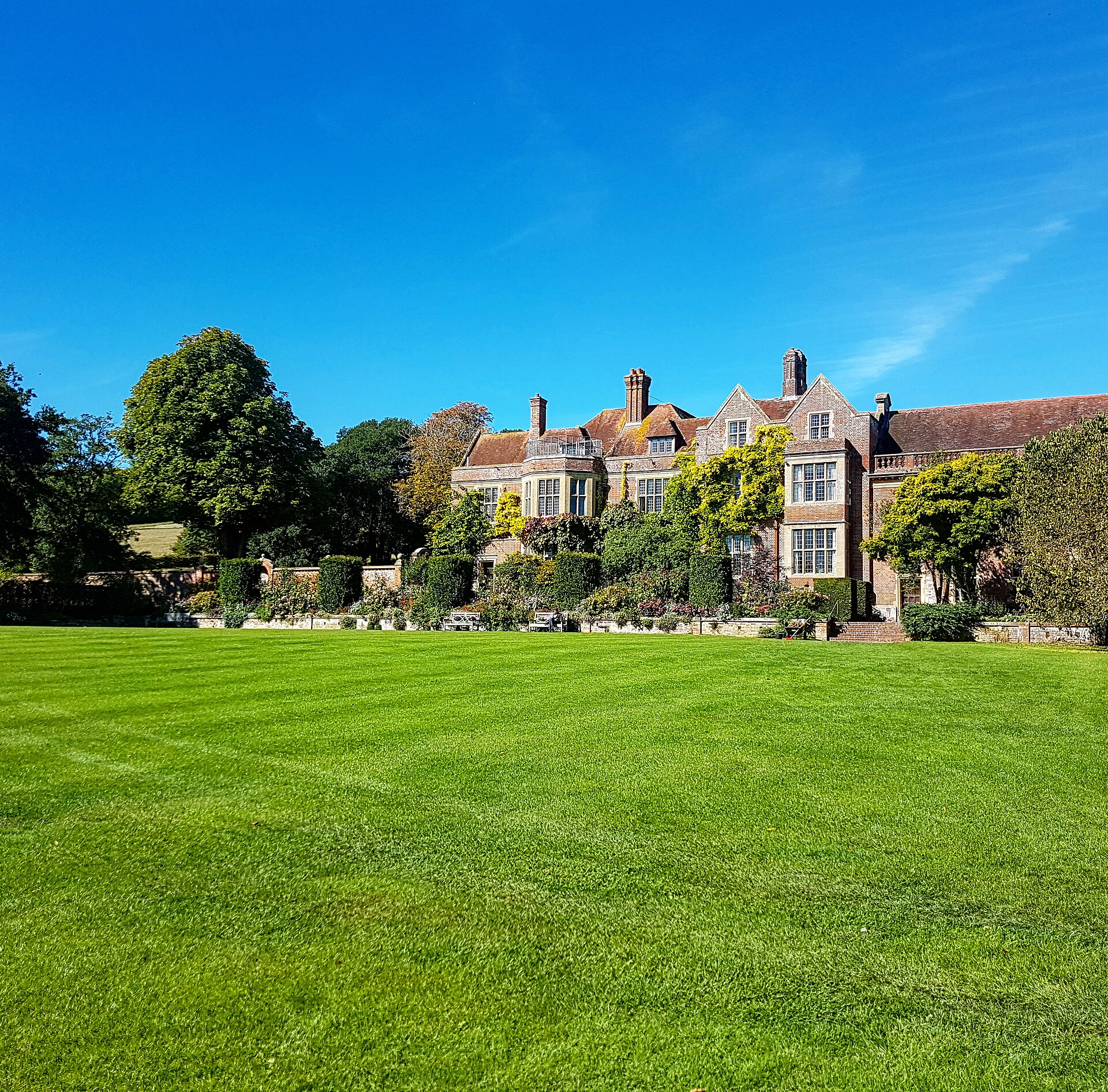
Glyndebourne Opera Festival is one of the most distinctive cultural events in the United Kingdom. Set in the rolling Sussex Downs near Lewes, Glyndebourne has been synonymous with operatic excellence since its founding in 1934 by John Christie and his wife Audrey Mildmay. What began as a private passion project in the gardens of their home has grown into an internationally renowned festival that attracts artists and audiences from around the world. For culturally curious travellers, a visit to Glyndebourne offers not only world-class opera but also a glimpse into a unique English tradition: the summer season, where audiences often picnic in the gardens during the long interval, creating a convivial atmosphere that is as much a part of the experience as the performances themselves.
This guide aims to provide trustworthy, practical information for planning a visit to Glyndebourne. It covers the historical context, what is officially available, how to book, transport options, and nearby cultural recommendations. Time-sensitive details such as opening hours, prices, and event schedules are not included here; instead, readers are encouraged to verify all current information on the official Glyndebourne website before making plans.
Section 1: Historical and Cultural Context
Glyndebourne’s history is a story of artistic dedication and gradual evolution. John Christie, an Eton schoolmaster and amateur musician, and his wife Audrey Mildmay, a professional singer, built a small theatre attached to their house and staged their first season in 1934 with Mozart’s Le nozze di Figaro and Così fan tutte. The festival quickly gained a reputation for high production standards and a focus on Mozart, which remains a cornerstone of its programming. Over the decades, Glyndebourne expanded its repertoire to include works by composers such as Verdi, Strauss, Britten, and Janáček, and it became known for nurturing young talent through its touring company and education programmes.
The current opera house, opened in 1994, was built to modern standards while preserving the intimate scale of the original theatre. It seats around 1,200 people and incorporates advanced stage technology, yet it retains the feel of a country house opera. The festival typically runs from May to August, with a touring season in the autumn that takes productions to venues across the UK. Glyndebourne is also home to an extensive archive and a renowned chorus and orchestra, and it has commissioned new works, contributing to the living tradition of opera.
Culturally, Glyndebourne represents a blend of British eccentricity and serious artistic ambition. The tradition of the long interval—often lasting ninety minutes—allows audiences to dine in the gardens or in the restaurants, and many visitors dress formally, though there is no strict dress code. This combination of informality and elegance has made Glyndebourne a beloved institution, and it remains one of the few major opera houses in the world that is still family-owned and independently funded.
Section 2: Planning Your Visit
Planning a trip to Glyndebourne requires some forethought, as the festival operates on a seasonal basis and tickets can be in high demand. The official website is the primary source for information on the current season’s productions, performance dates, and booking procedures. It is advisable to check the website regularly for updates, as details such as casting and schedules may change.
Tickets for the festival are typically released in stages, with priority booking for members and patrons before general sale. The official website provides clear instructions on how to book, including online and telephone options. Availability and access conditions vary; check the official website or your chosen provider for current details. Standard admission tickets are available for most performances, and there may be guided tour options, where offered, listed on the official website. It is important to note that prices can change; see the current admission prices on the official website before your visit.
When planning, consider the timing of your visit. The festival season usually runs from late spring to late summer, and performances are often held in the evening, with some matinees. The long interval is a highlight for many, so you may wish to plan for dining or picnicking. The official website provides information on dining options, including restaurants and picnic facilities, as well as advice on what to bring. Do note that specific opening hours and performance times should be verified on the official website, as they vary by production.
Accessibility is a consideration; the official website outlines facilities for visitors with disabilities, including parking, seating, and assistance. It is recommended to contact the venue in advance to discuss any specific needs.
Section 3: Getting There
Glyndebourne is located in the Sussex Downs, approximately three miles from the town of Lewes. The most sustainable and convenient way to arrive is by train to Lewes, followed by a short taxi or shuttle ride. Lewes has good rail links from London (around an hour from London Victoria) and other parts of the UK. The official website provides detailed travel information, including directions by car, train, and bus, and may offer a shuttle service from Lewes station on performance days—check the official website for current details.
For those driving, the venue is accessible from the A27 and has parking facilities, though spaces may be limited and should be booked in advance if possible. The official website advises on parking arrangements and any charges. Cycling is also an option, with bicycle parking available. Given the rural setting, it is wise to plan your journey carefully, especially for evening performances, and to allow ample time for arrival and settling in.
Public transport options may vary, so it is essential to check the official website for the most up-to-date travel advice before setting out. The website typically provides comprehensive guidance to help visitors arrive smoothly.
Section 4: Booking Cultural Experiences
Beyond standard performance tickets, Glyndebourne offers a range of cultural experiences that may enhance your visit. These include backstage tours, pre-performance talks, and educational events, which are listed on the official website. Guided visit options, where offered, are listed on the official website, and availability may be limited. It is best to book these in advance through the official channels.
For those interested in deepening their understanding of opera, Glyndebourne’s education programme may include workshops, masterclasses, and discussions with artists. Details are typically announced on the official website and may require separate booking. Additionally, the festival shop offers recordings and merchandise, and the archive can be consulted by appointment for research purposes.
When booking, always use the official website or authorised providers to ensure authenticity and avoid disappointment. Availability and access conditions vary; check the official website or your chosen provider for current details. It is also worth noting that some events may be subject to age restrictions or other conditions; check the current conditions on the official website.
For a more structured experience, consider combining your visit with a guided tour of the opera house or a talk about the production. These are often scheduled before performances and provide valuable context. Again, consult the official website for schedules and booking.
Section 5: Practical Visitor Tips and Nearby Cultural Recommendations
To make the most of your visit to Glyndebourne, consider the following practical tips. First, dress comfortably but smartly; many visitors enjoy dressing up, but there is no requirement. Second, bring a picnic or book a table at one of the on-site restaurants if you wish to dine during the interval—the official website has details on catering options. Third, allow time to explore the gardens, which are beautifully maintained and offer a peaceful setting. Fourth, check the weather forecast and pack accordingly, as the gardens are a key part of the experience.
For those interested in extending their cultural trip, the surrounding area offers several attractions. The town of Lewes is known for its historic castle, independent shops, and the Lewes Priory ruins. Charleston, the former home of the Bloomsbury Group artists Vanessa Bell and Duncan Grant, is a short drive away and offers a fascinating insight into early twentieth-century artistic life. The South Downs National Park provides ample opportunities for walking and enjoying the landscape. Additionally, the nearby city of Brighton has a vibrant cultural scene, including the Royal Pavilion and several museums.
When planning nearby visits, check current opening hours and admission conditions on the respective official websites, as these can change. It is also advisable to book accommodation in advance, especially during the festival season, as the area can be busy.
Conclusion
Glyndebourne Opera Festival is a unique cultural experience that combines artistic excellence with a relaxed, garden-party atmosphere. For culturally curious travellers, it offers a chance to engage with opera in a setting that is both historic and welcoming. While planning requires attention to detail—booking tickets early, arranging transport, and checking official information—the rewards are substantial. Whether you are an opera aficionado or a newcomer, Glyndebourne provides an opportunity to immerse yourself in a tradition that has been nurtured for nearly a century. Remember to verify all practical details on the official website before your visit, and enjoy the music in the heart of the Sussex Downs.